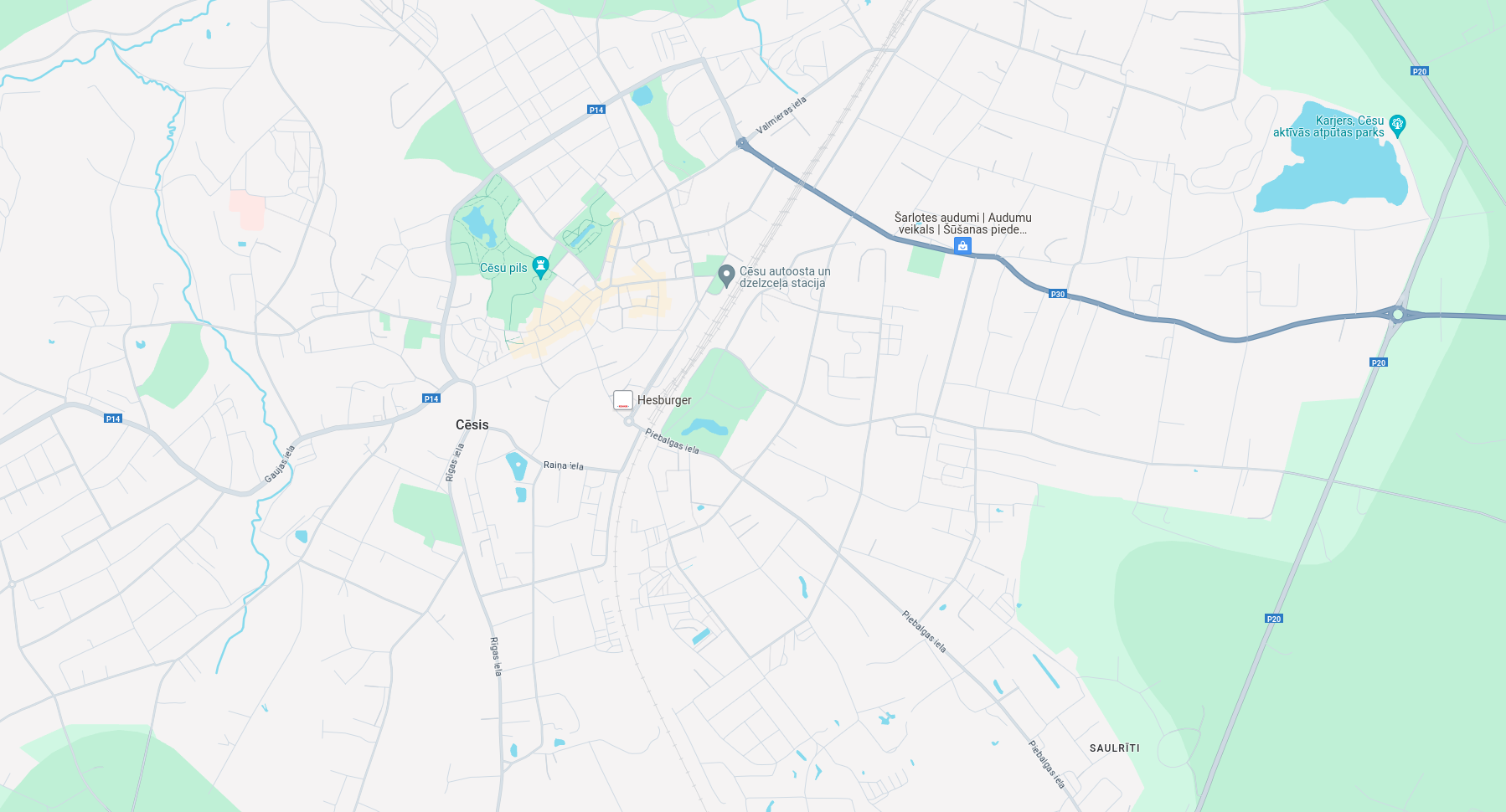
Skujenes pilskalns
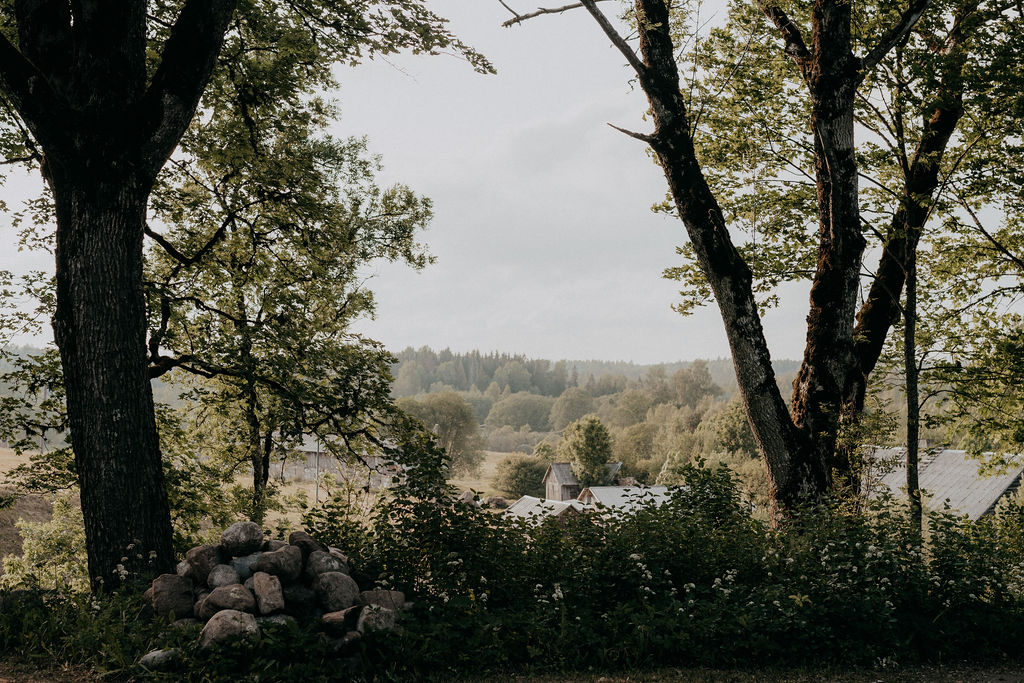
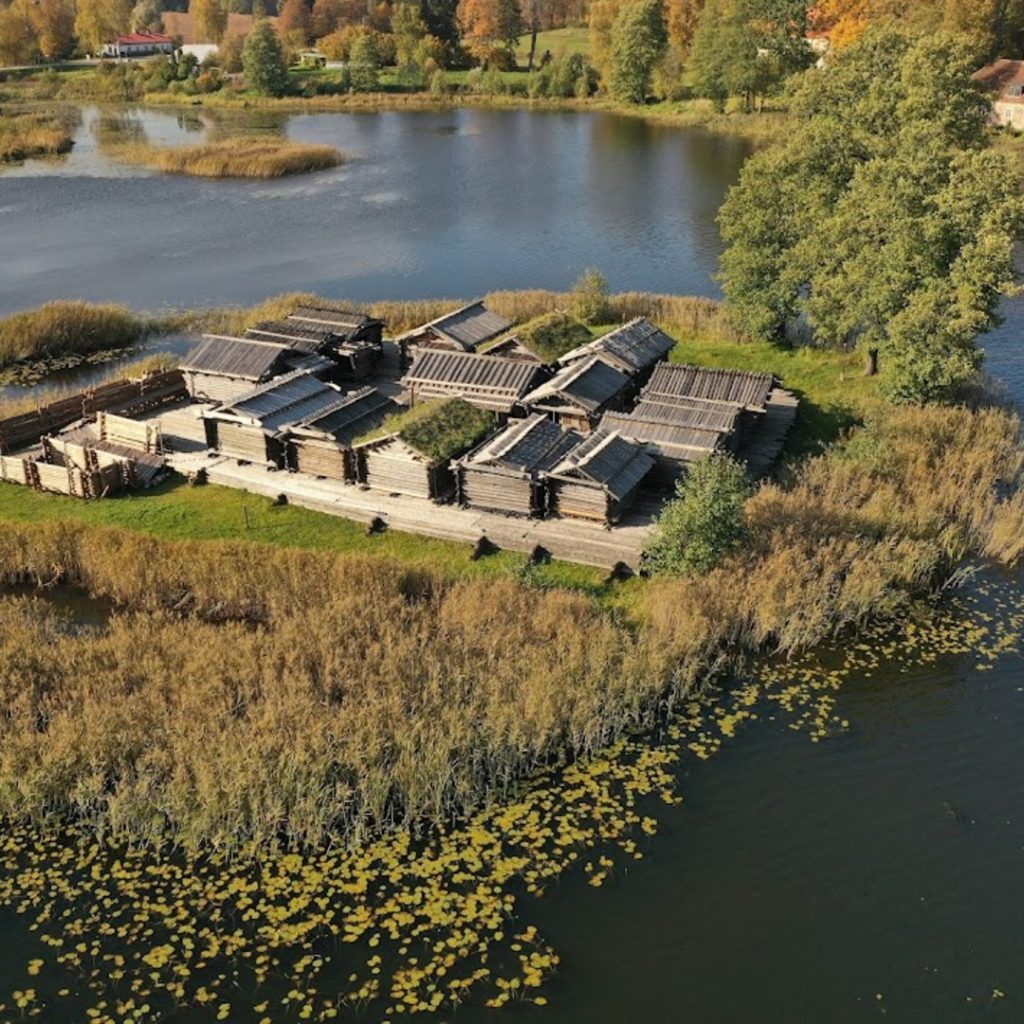
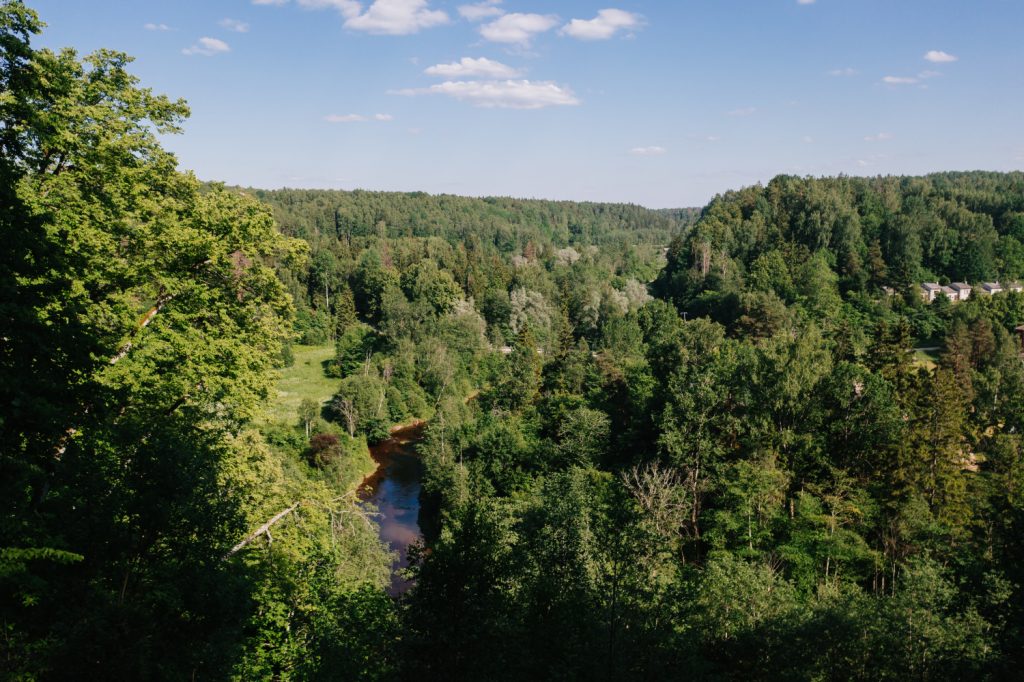
The Livonian Order’s fortification in Skujene stands near the Piebalga–Nītaure road where it crosses the Amata River. Skujene Castle was part of the defence corridor along the Gauja, protecting against Lithuanian military incursions, forming a fortified line including Ropaži, Mālpils, Nītaure, Zaube (Jaunpils), and Skujene.
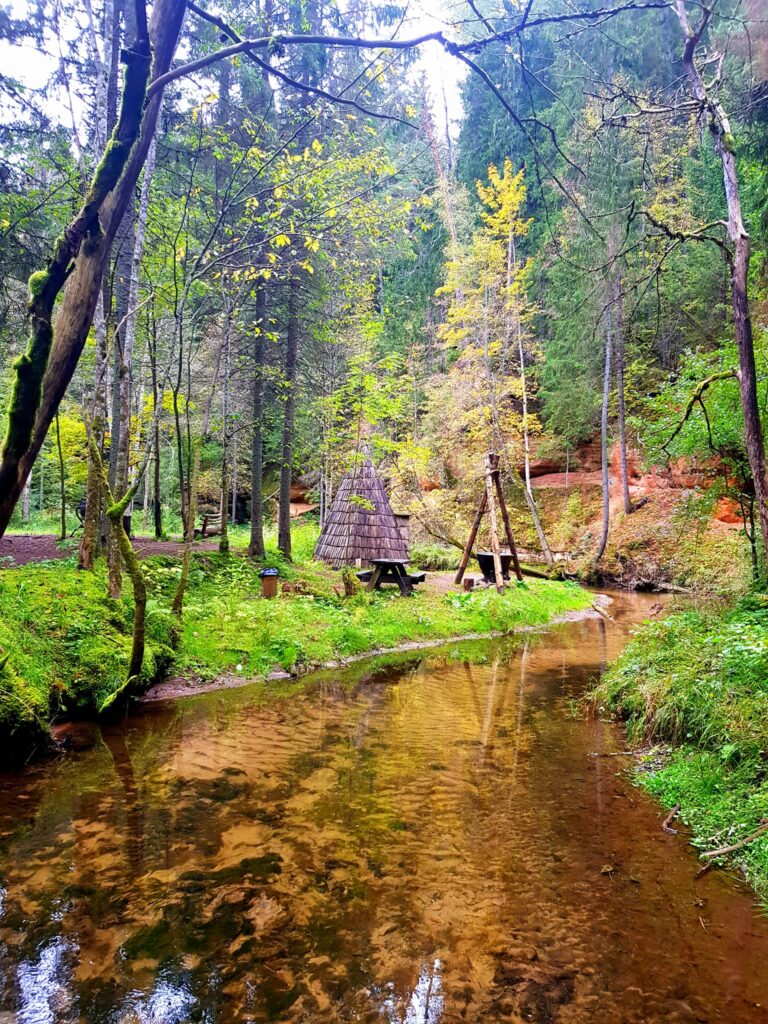
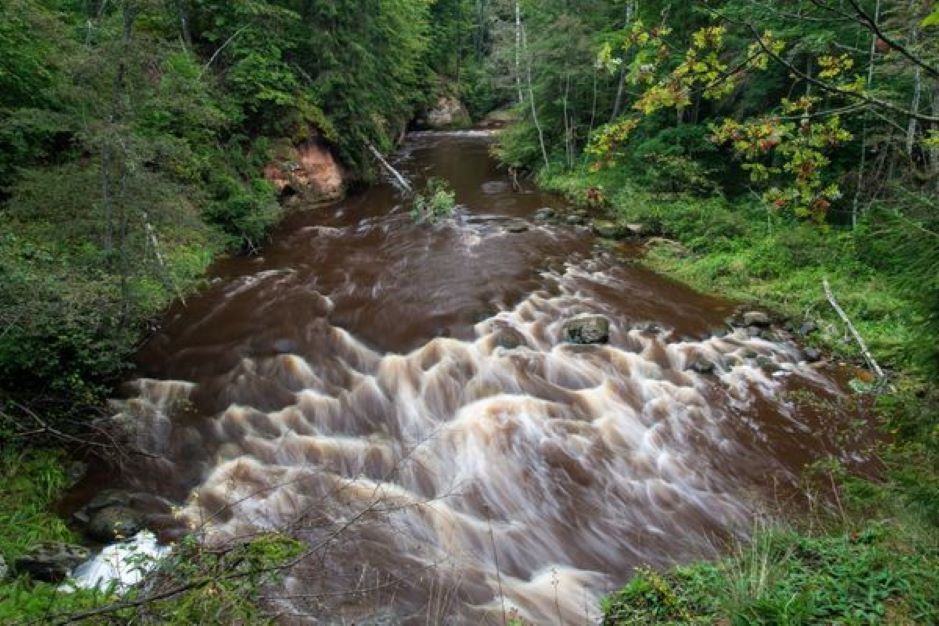
The castle is first mentioned in written sources from 1440. A chapel was located within the fortress. Built from fieldstones, Skujene Castle was a rectangular structure measuring 50×70 metres, protected on the southeast and northeast sides by a roughly 15-metre-deep ravine with a stream flowing into the Amata. On the southwest side, a 20-metre-wide and 3–5-metre-deep defensive ditch had a small bridge leading to the entrance. Inside the walls were a residential building and stables.
The castle was burned down in spring 1559 during the Livonian War, when it was captured by Ivan the Terrible’s army. A garrison of 500 men entrenched in its walls was also destroyed. The ruined fortress was never rebuilt.
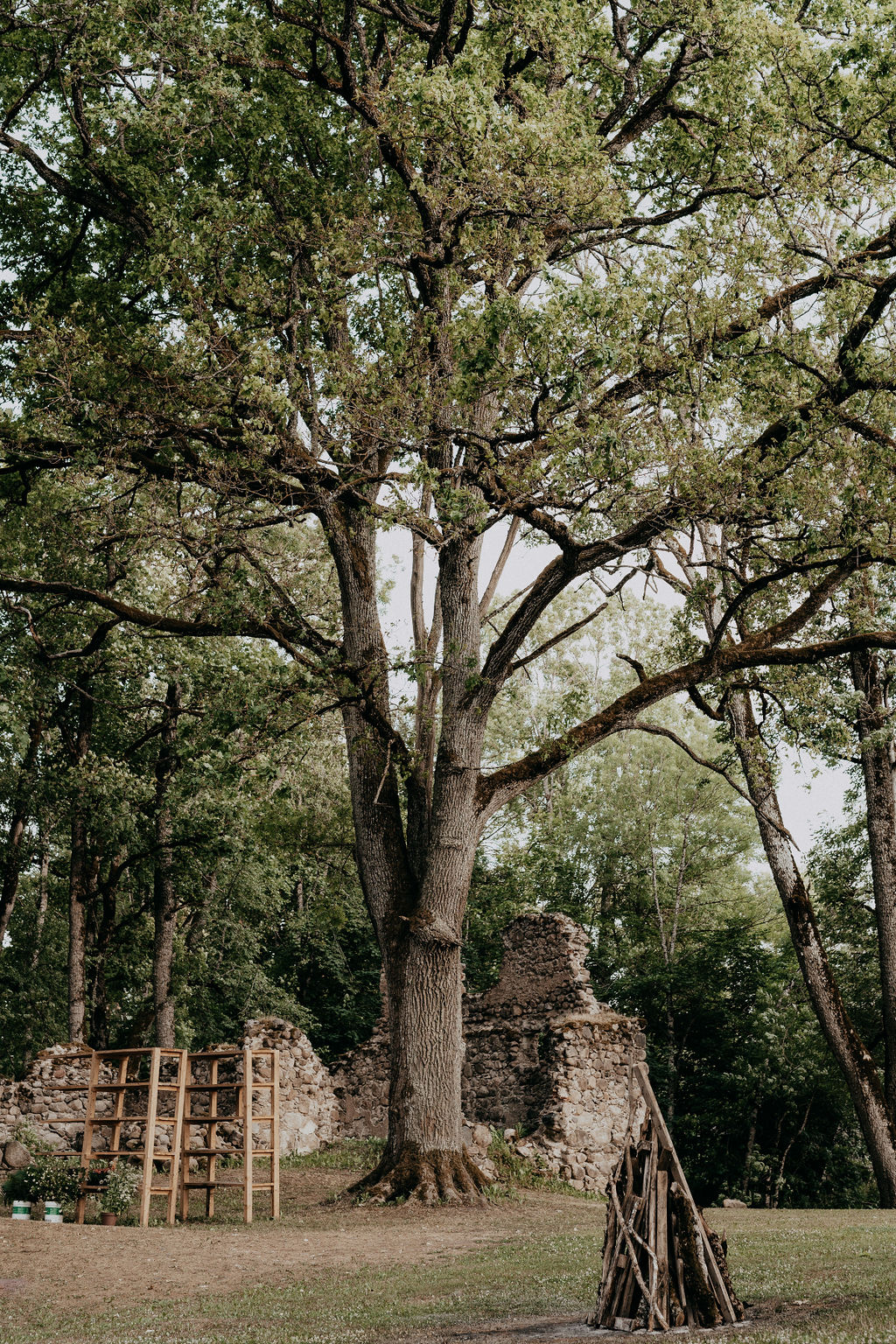
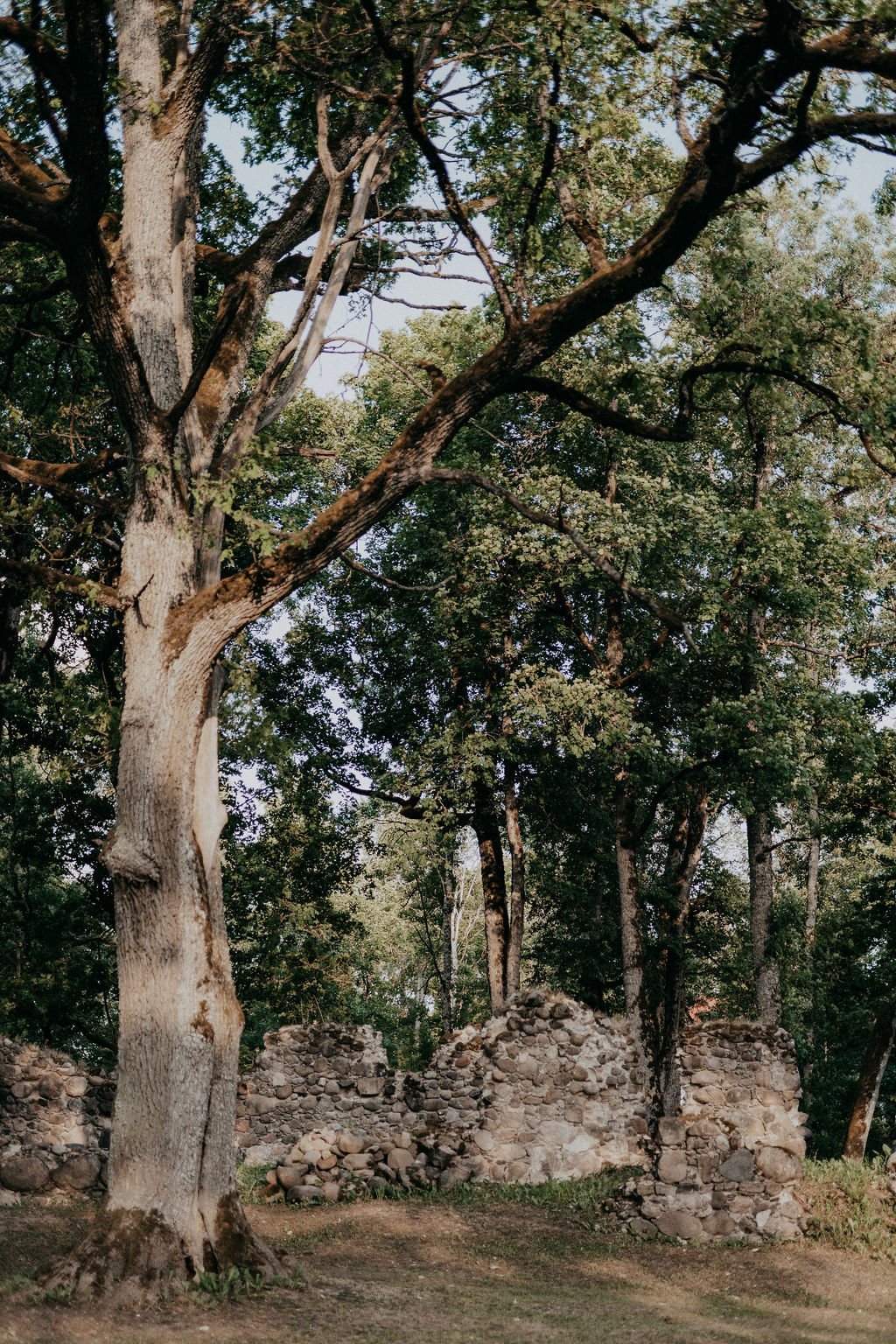
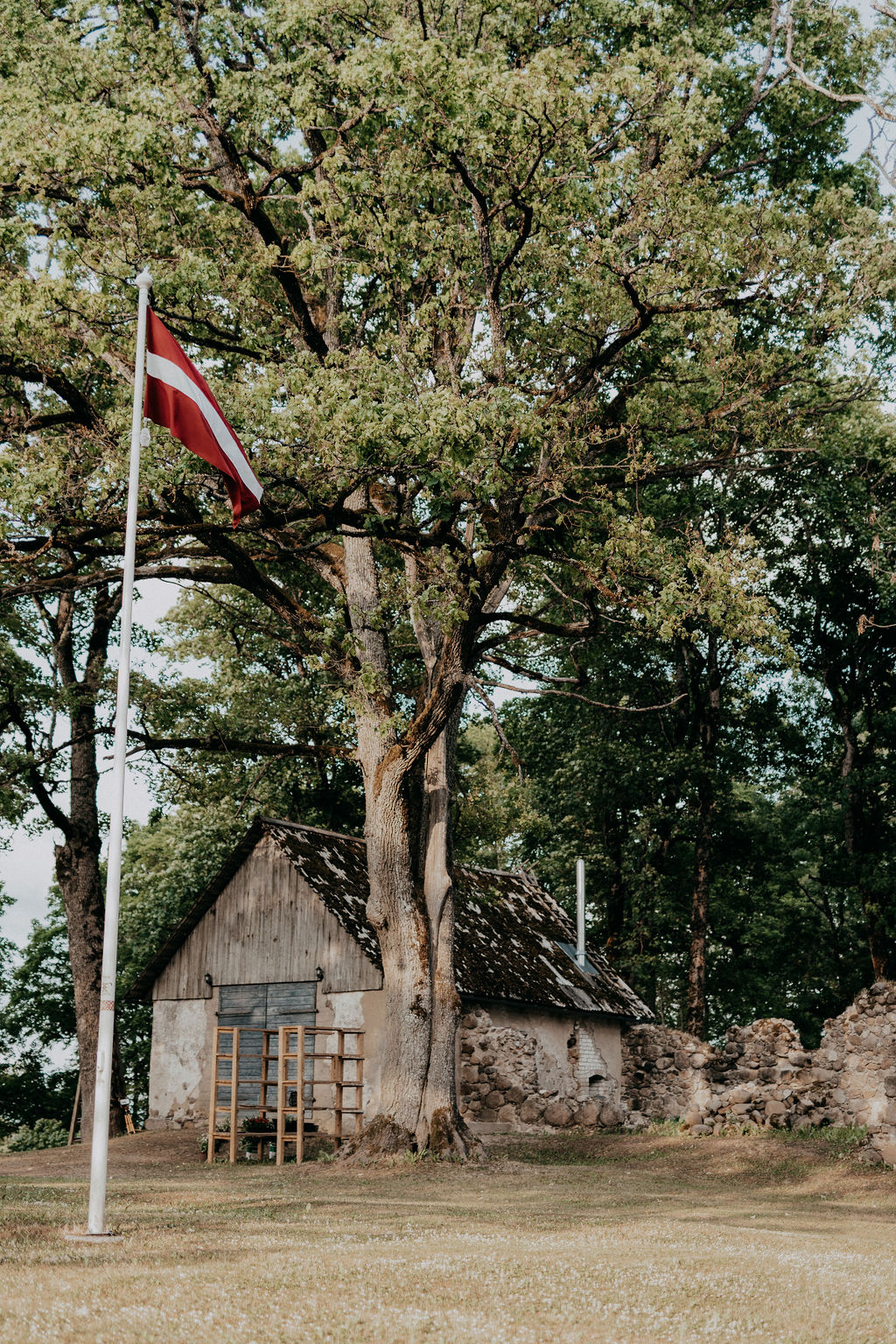
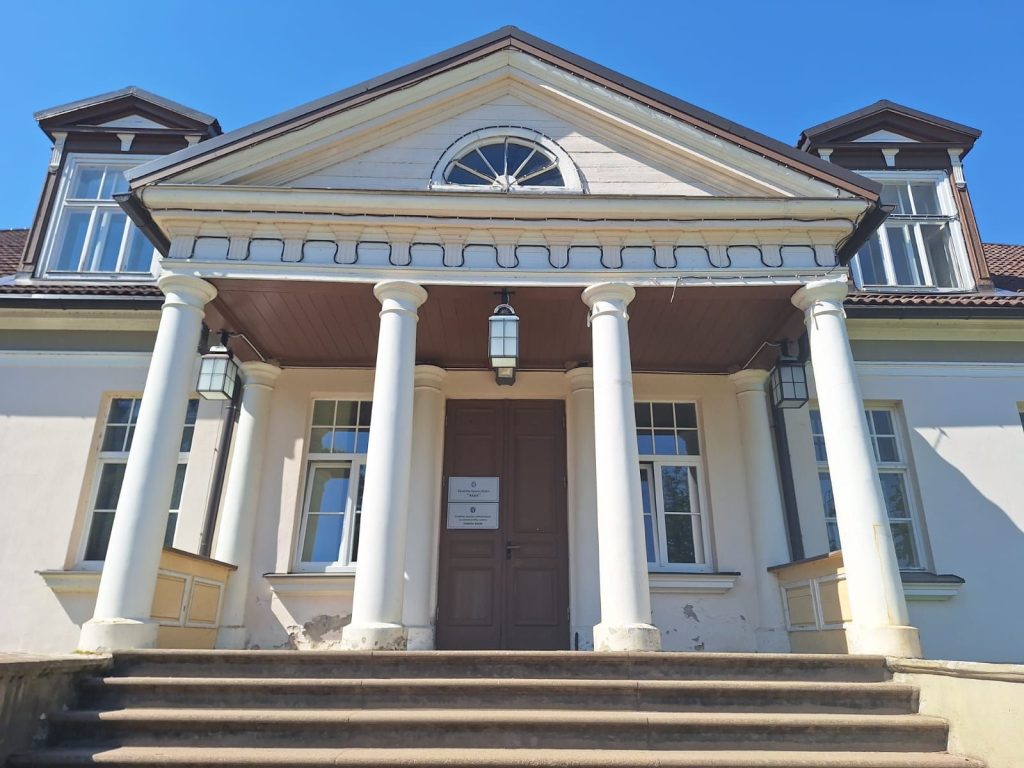
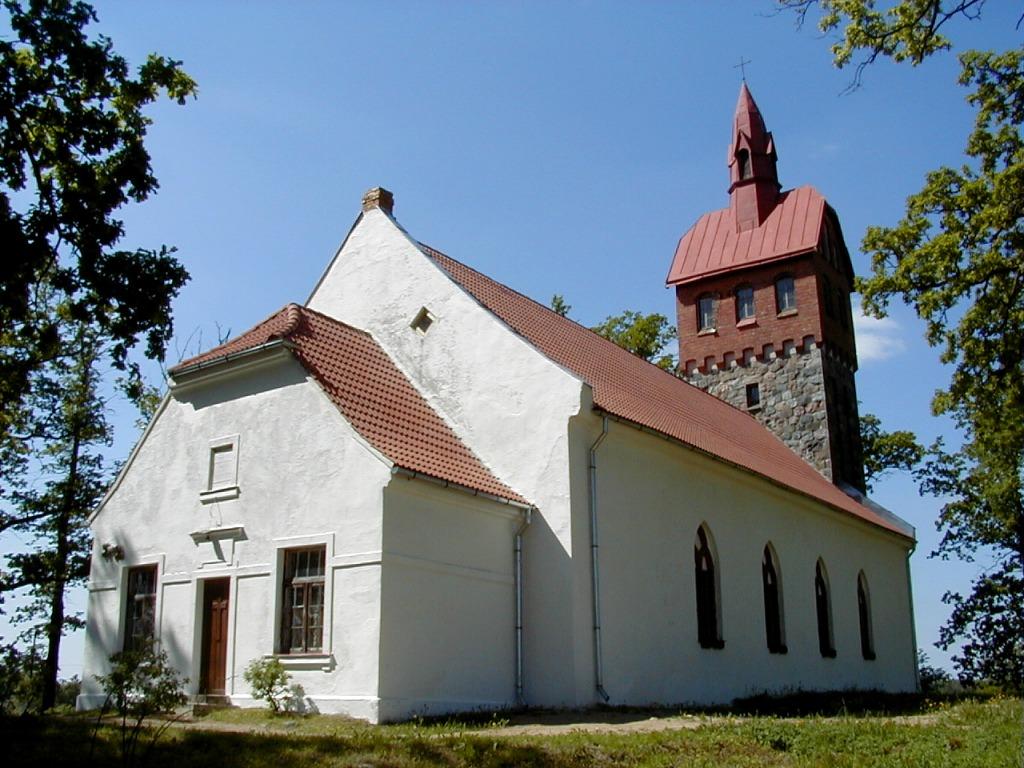
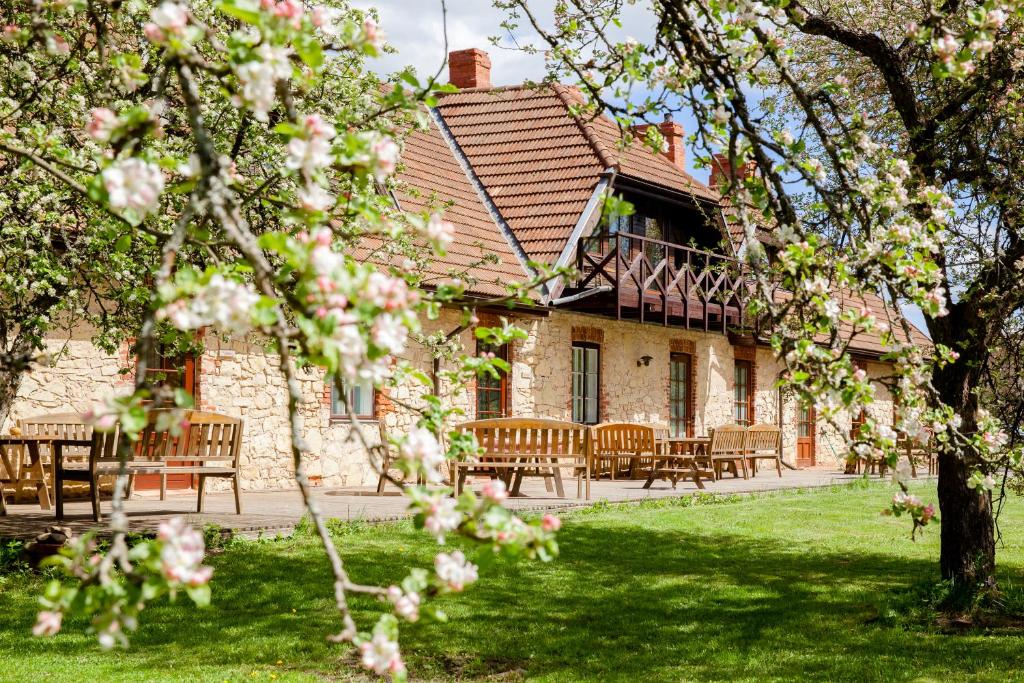
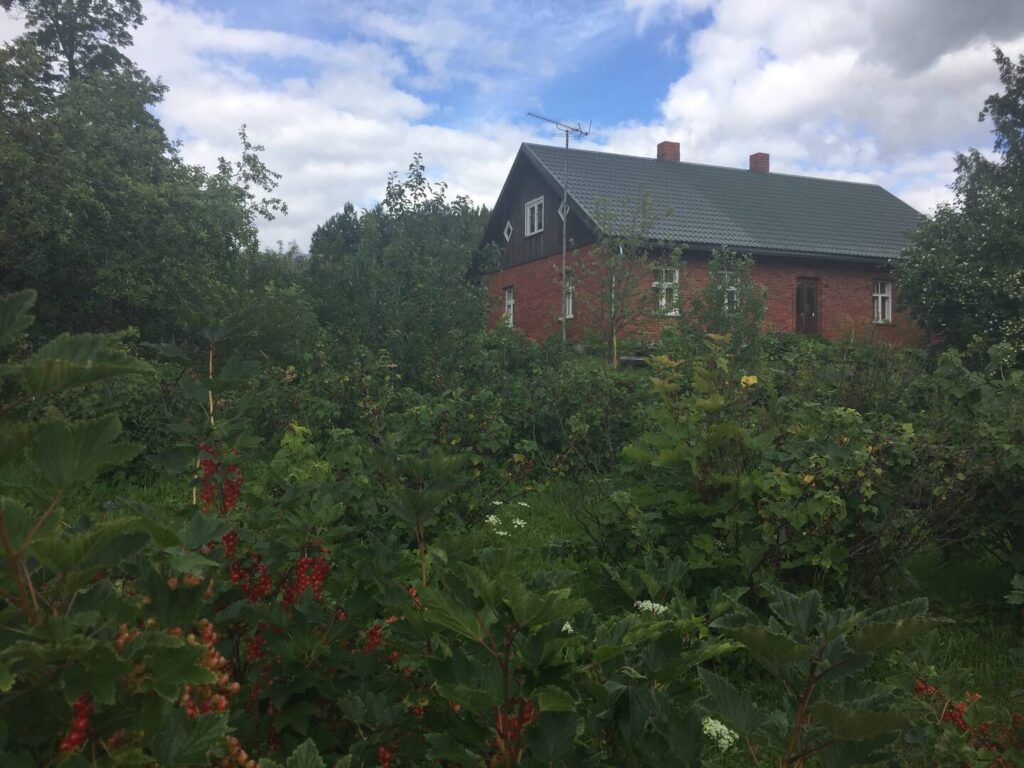
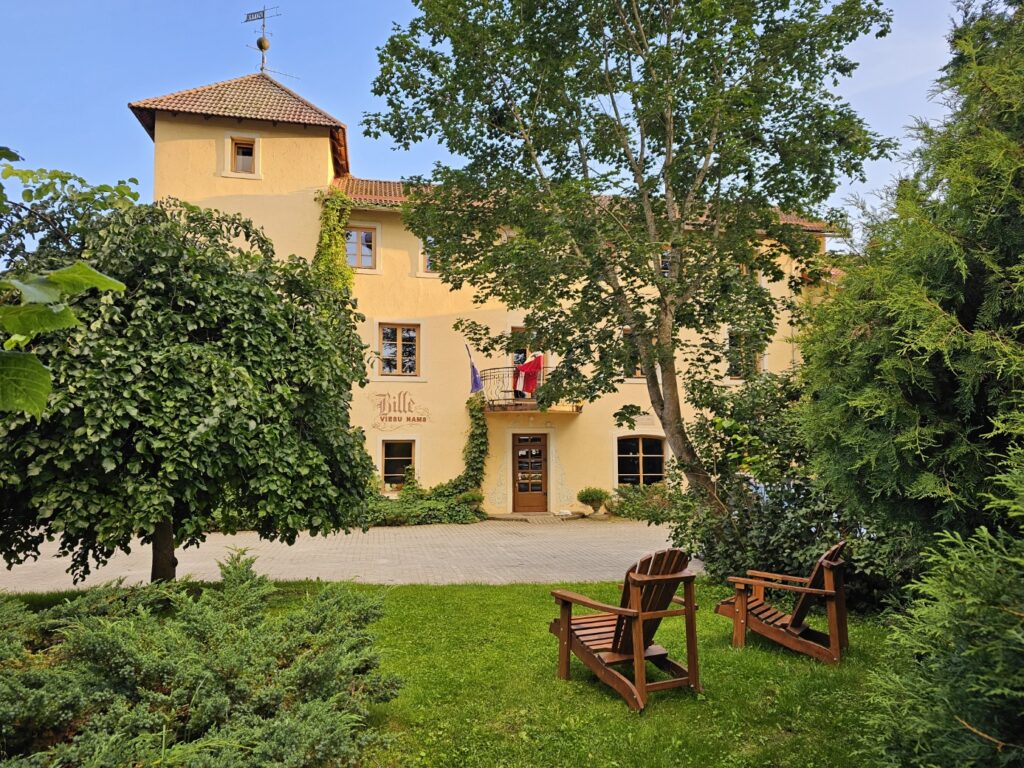
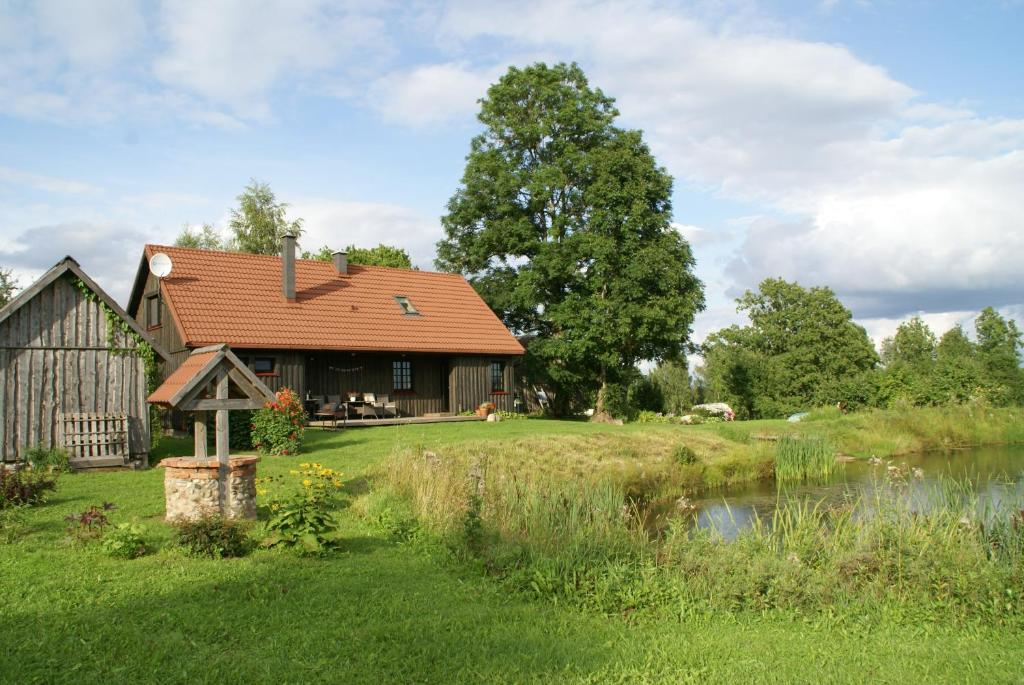
Today, only fragments of the stone foundations remain. The ruins were cleared and repurposed for constructing Skujene Manor buildings. The visible ruins now belong to two remaining manor structures.
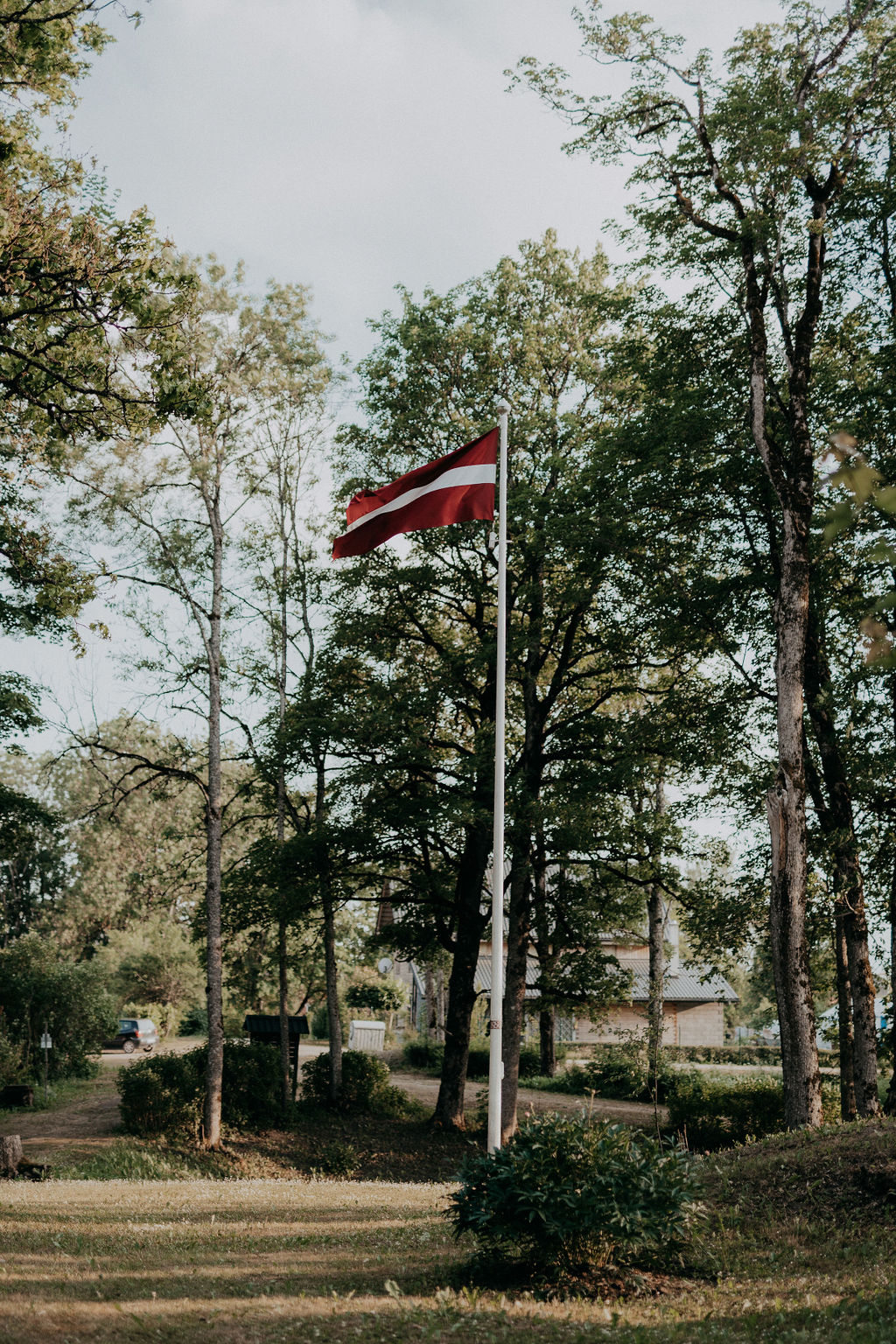
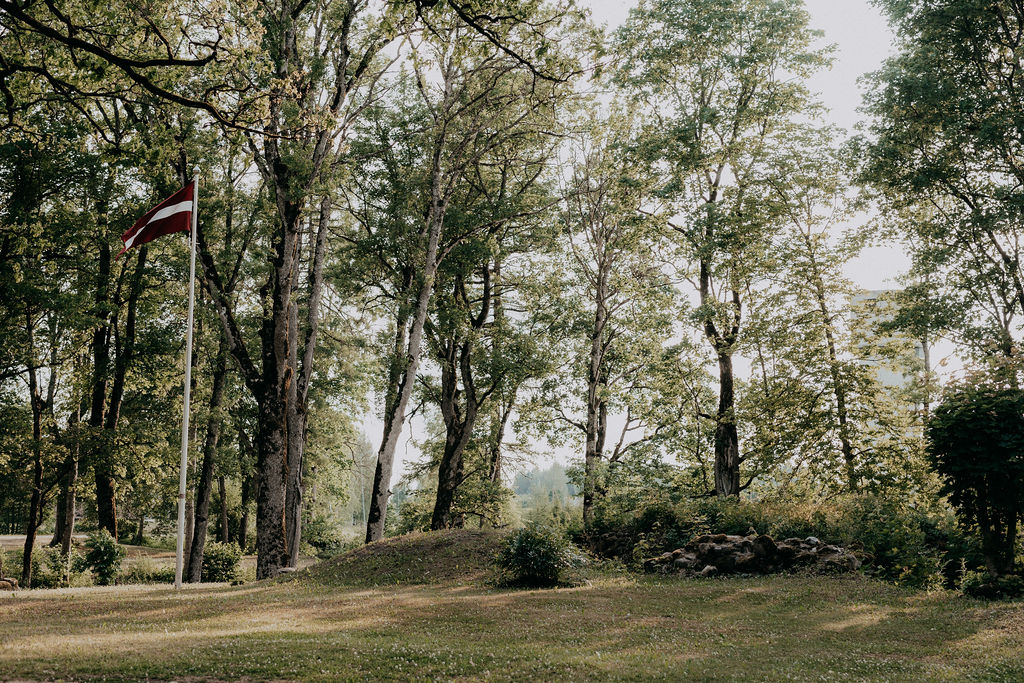
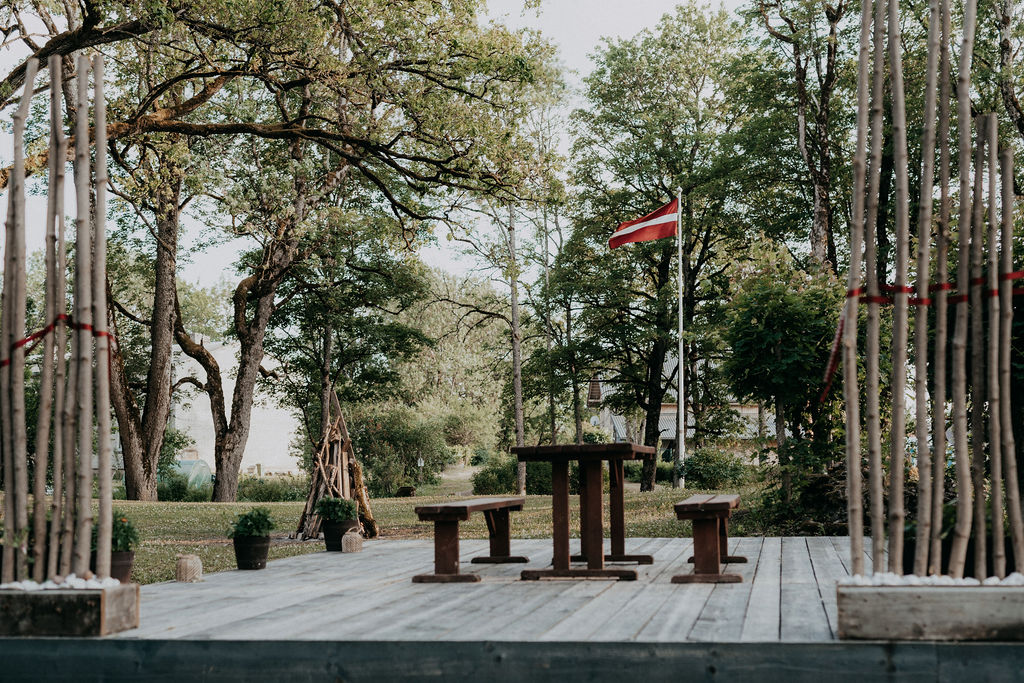
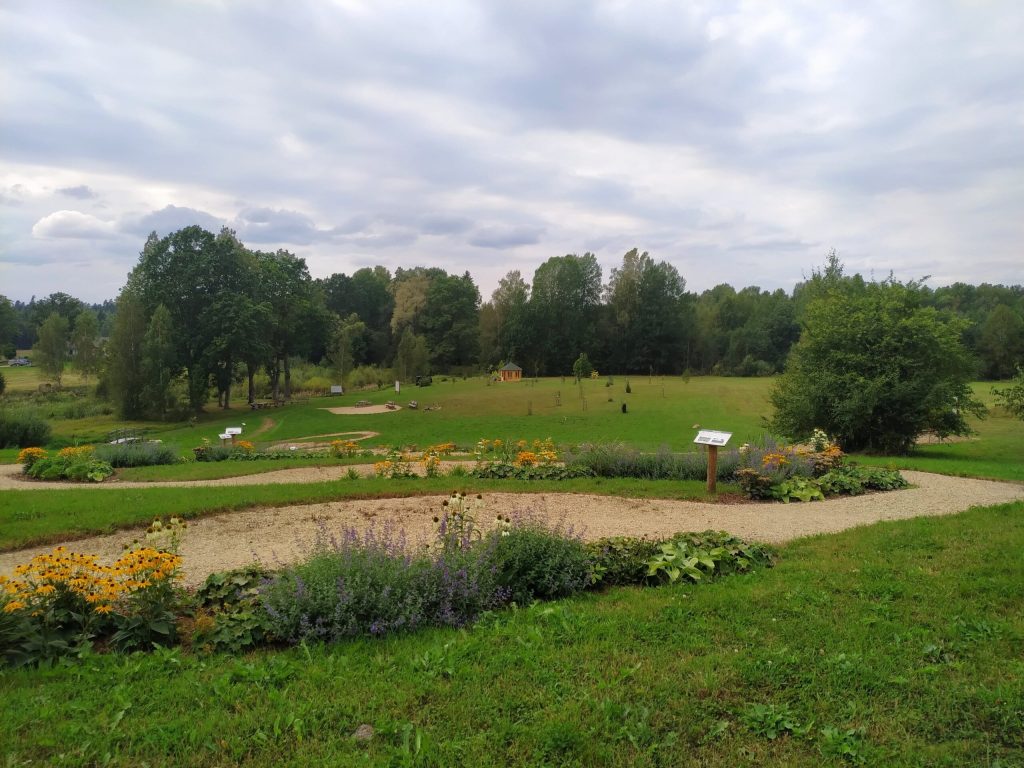
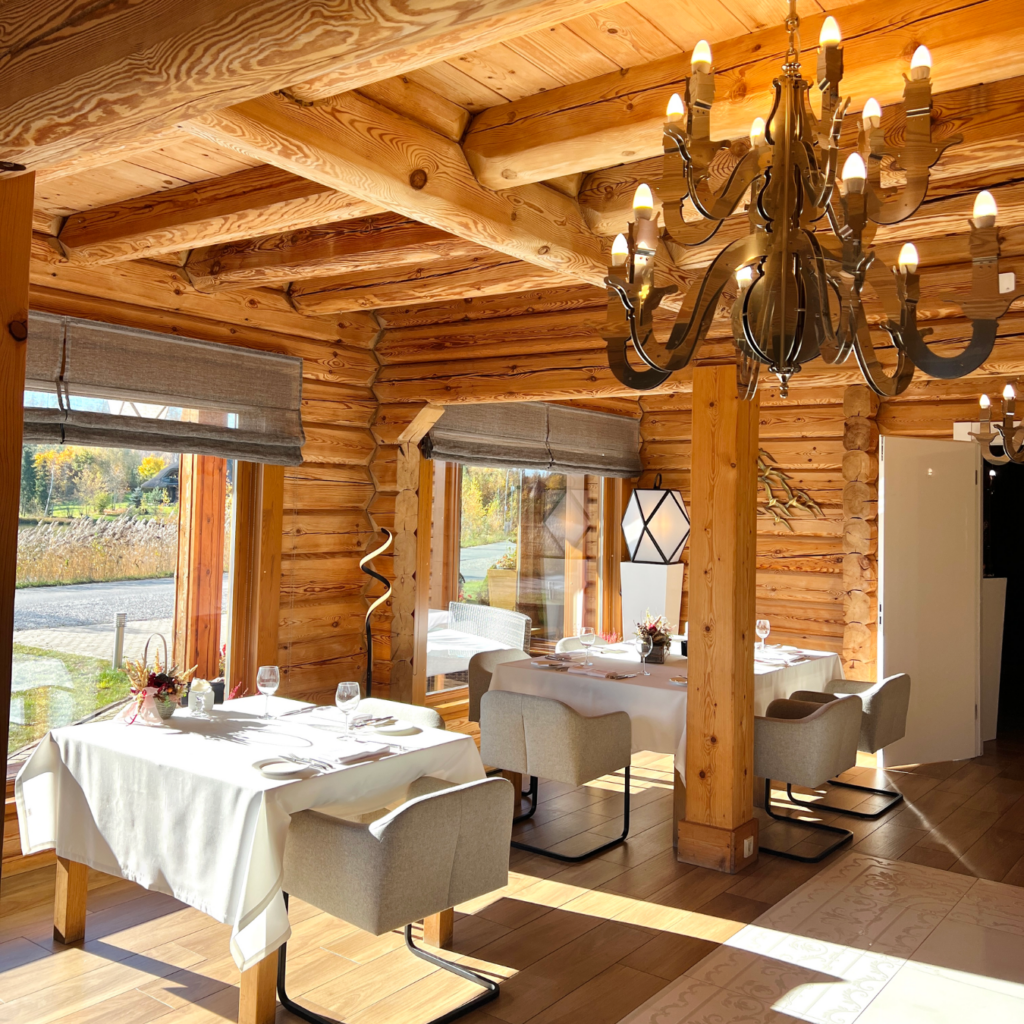
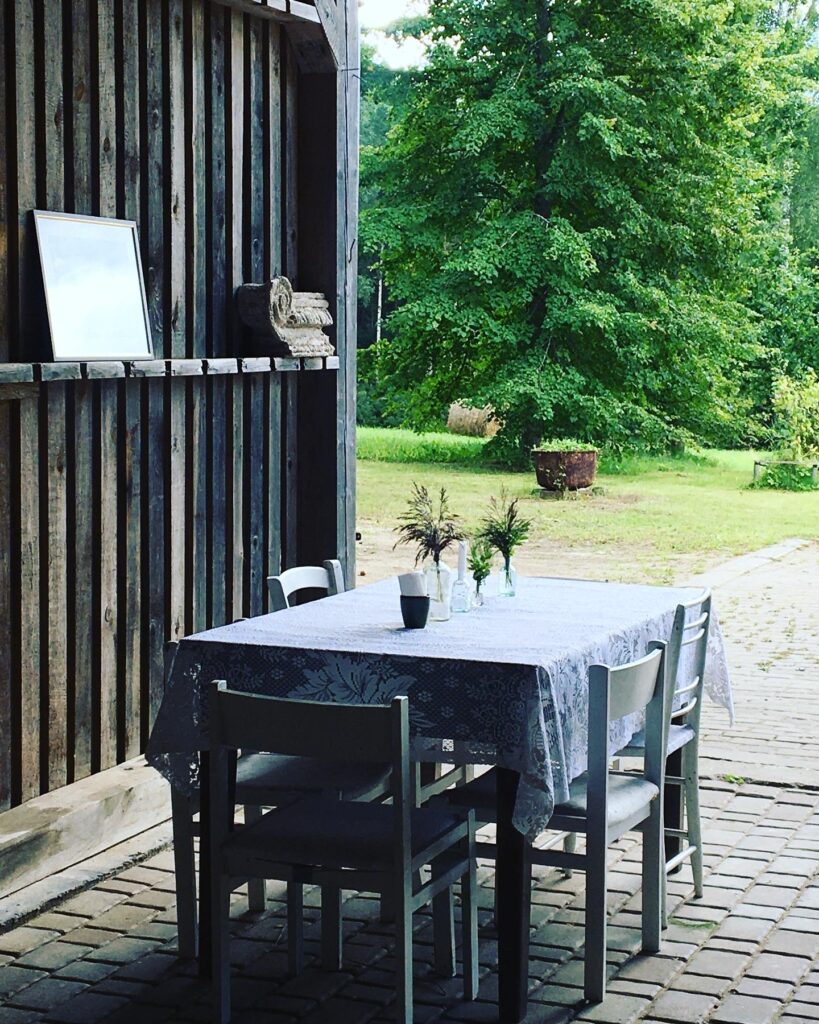
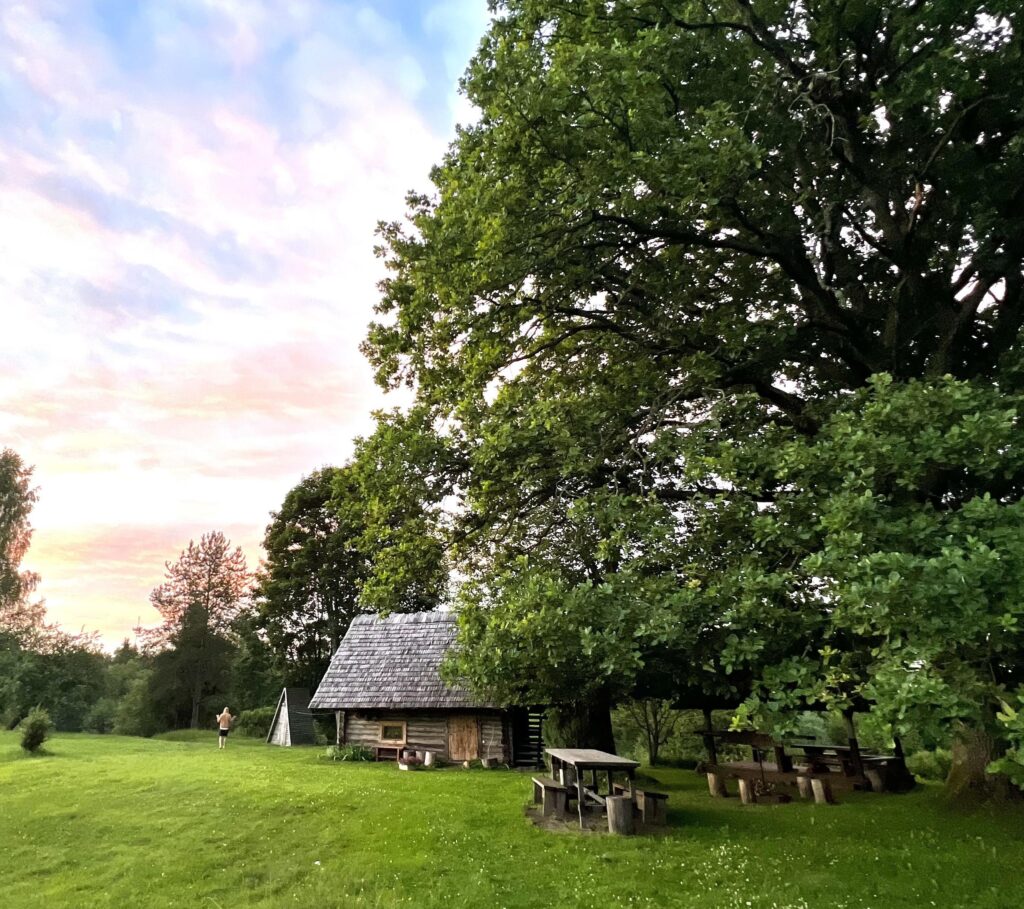
Currently, the castle hill grounds are being revitalised. On weekends, a POP-UP shop features handmade goods and crafts. Visitors can enjoy hot drinks and treats prepared by Pilskalna Kārumnīca’s local producers.
Coffee breaks and the pop-up shop operate by advance booking.
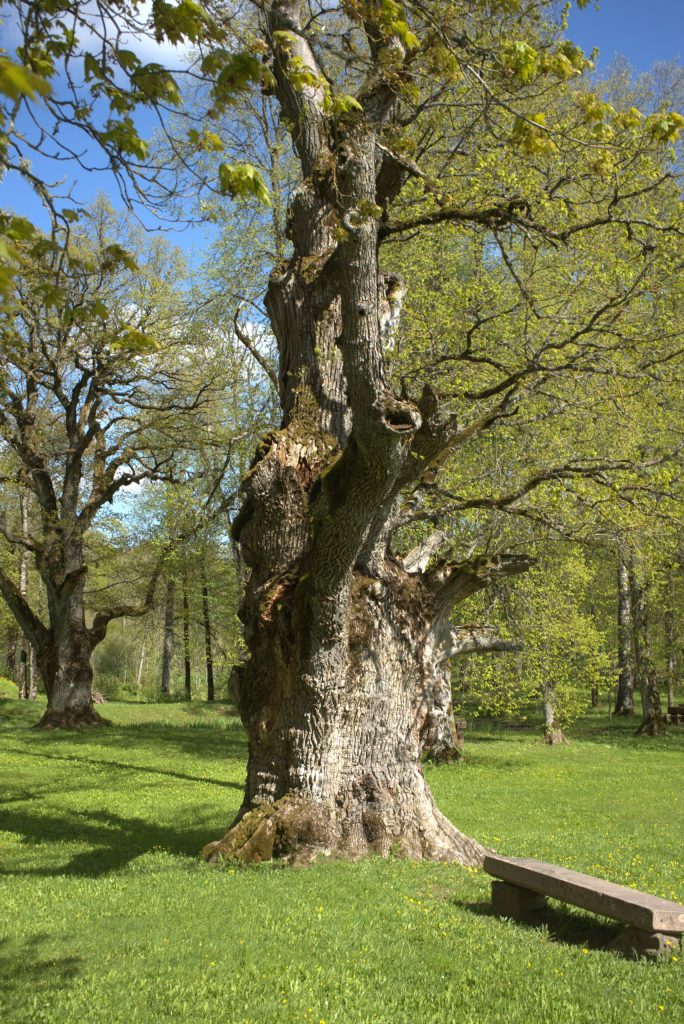
Welcome to the peaceful oasis of the Castle Hill!