Holiday home "Mākoņi"
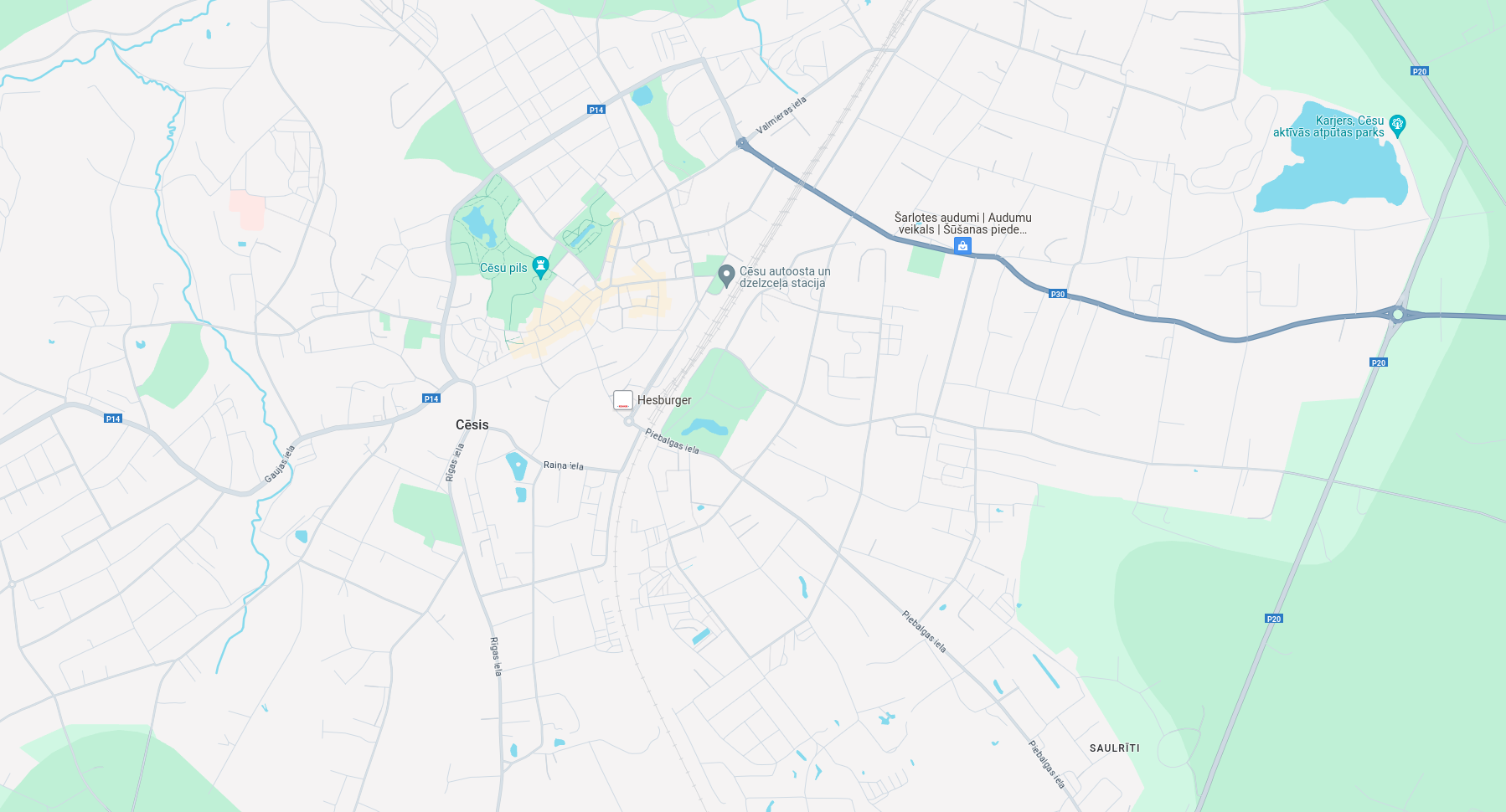
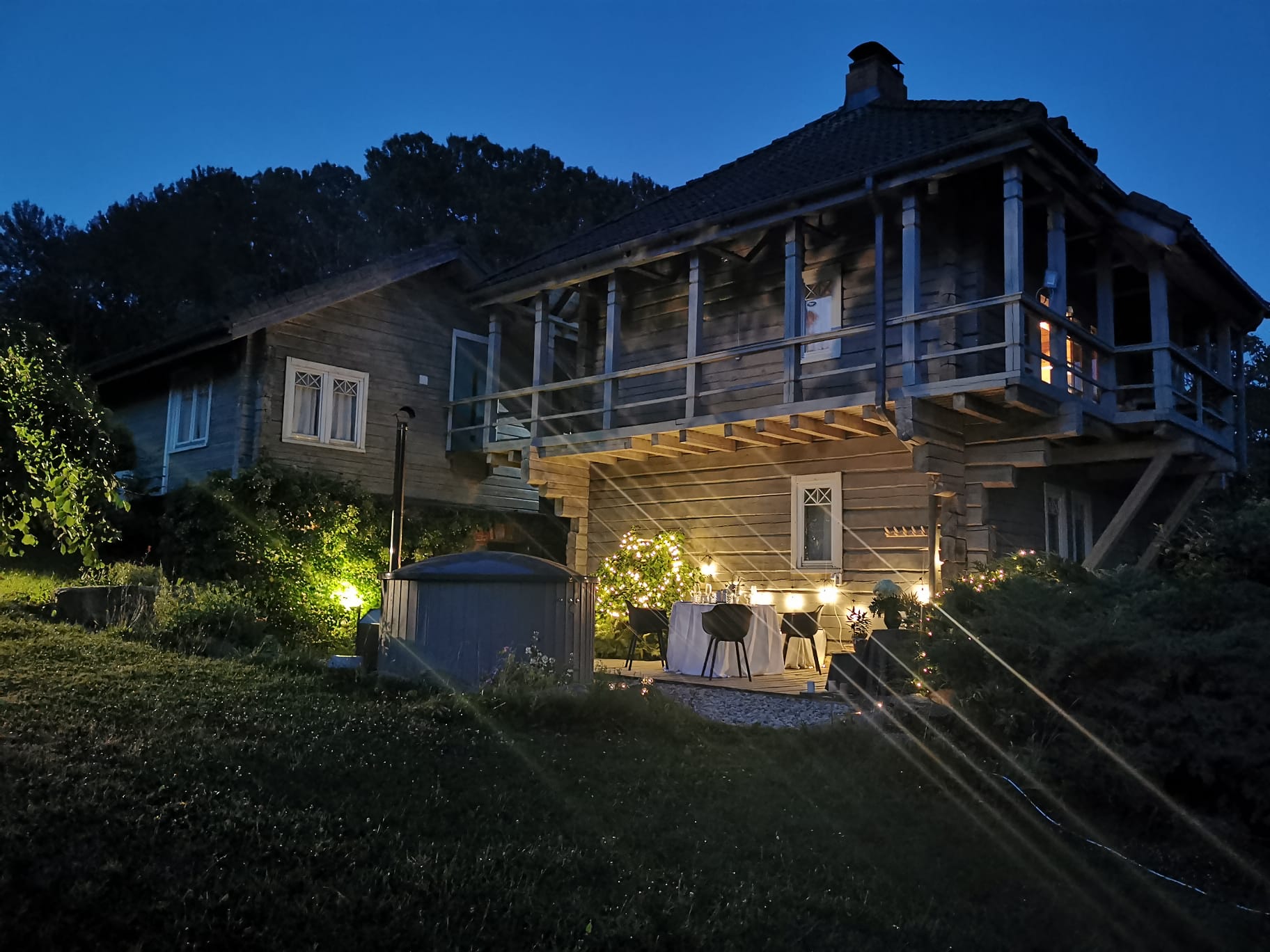
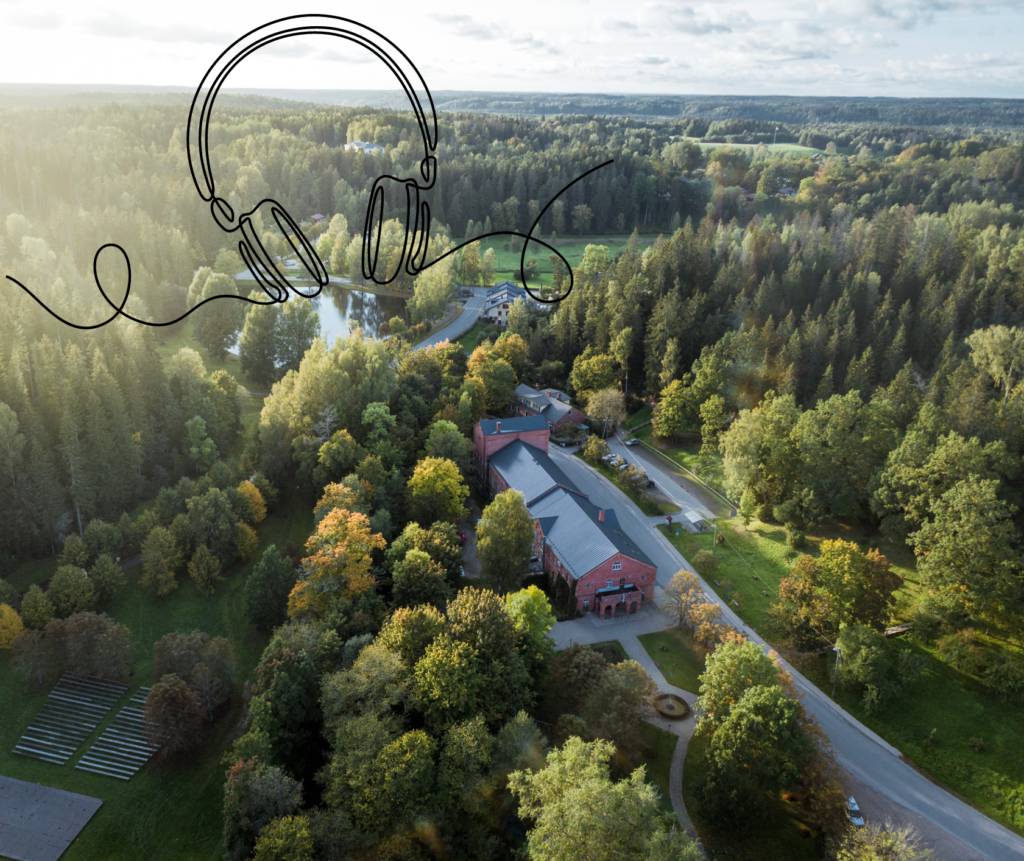
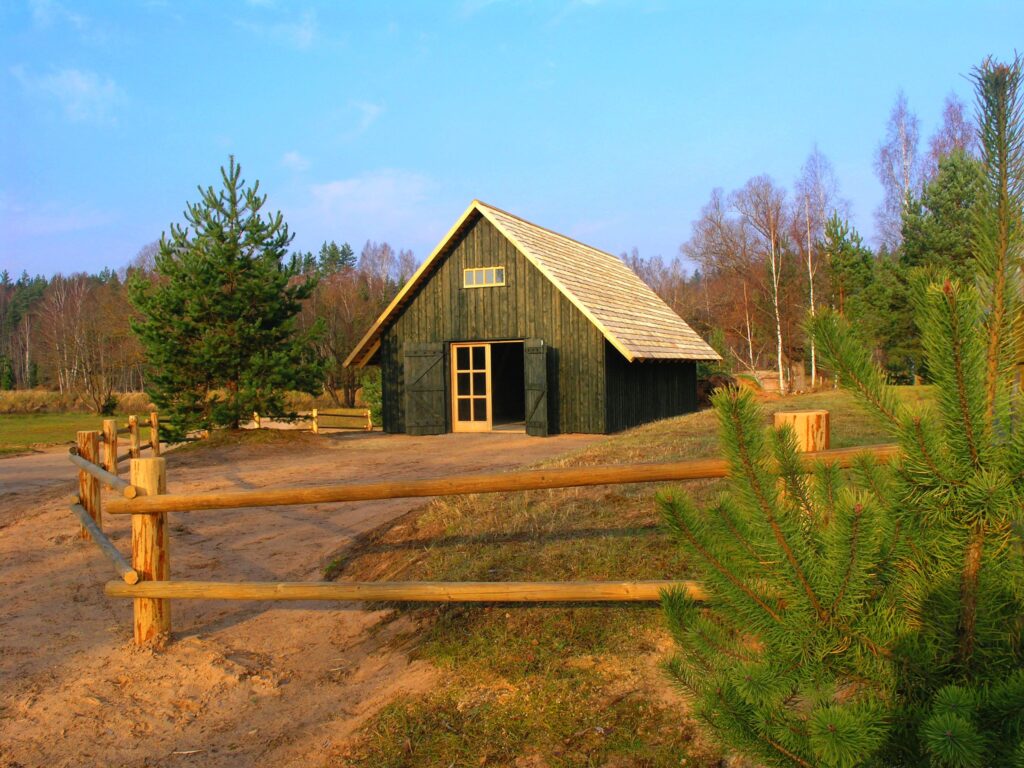
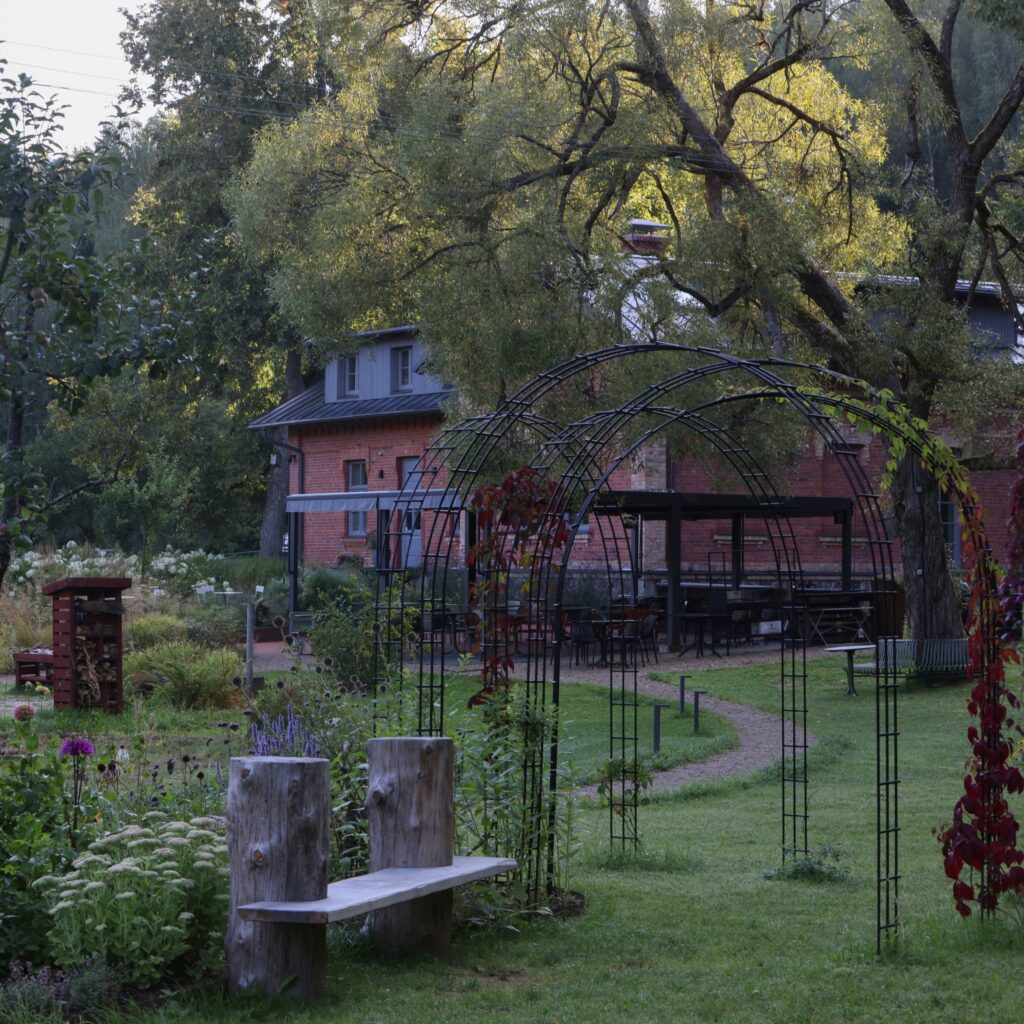
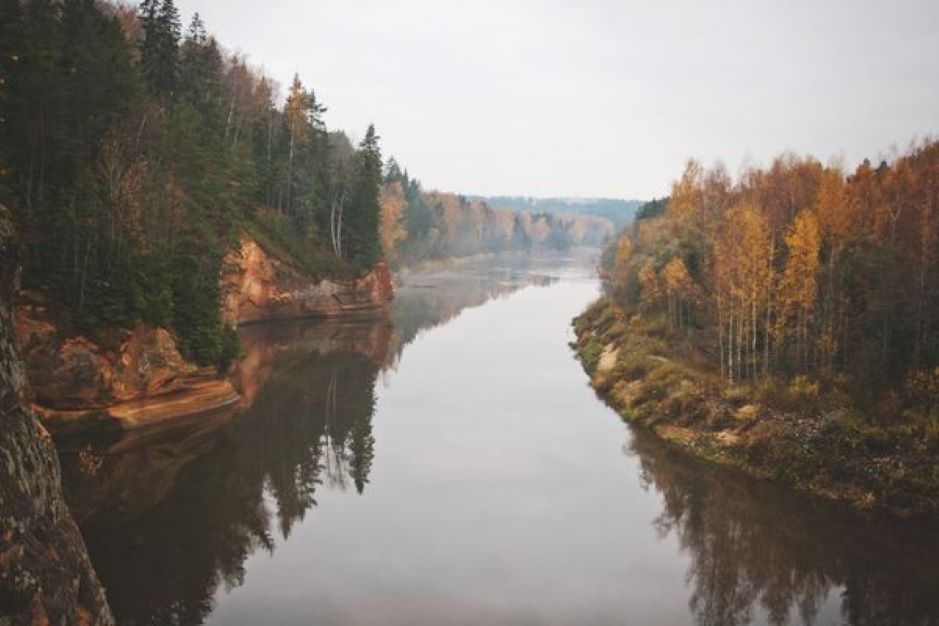
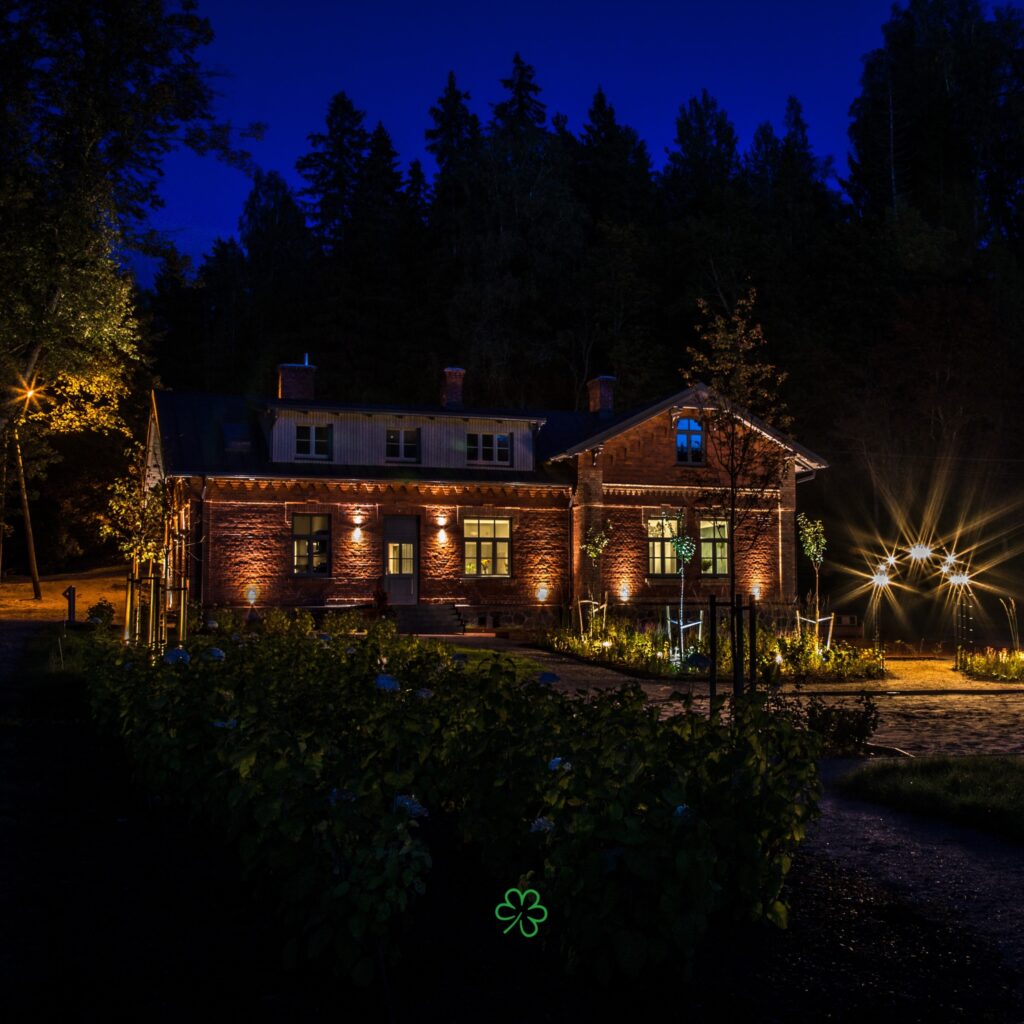
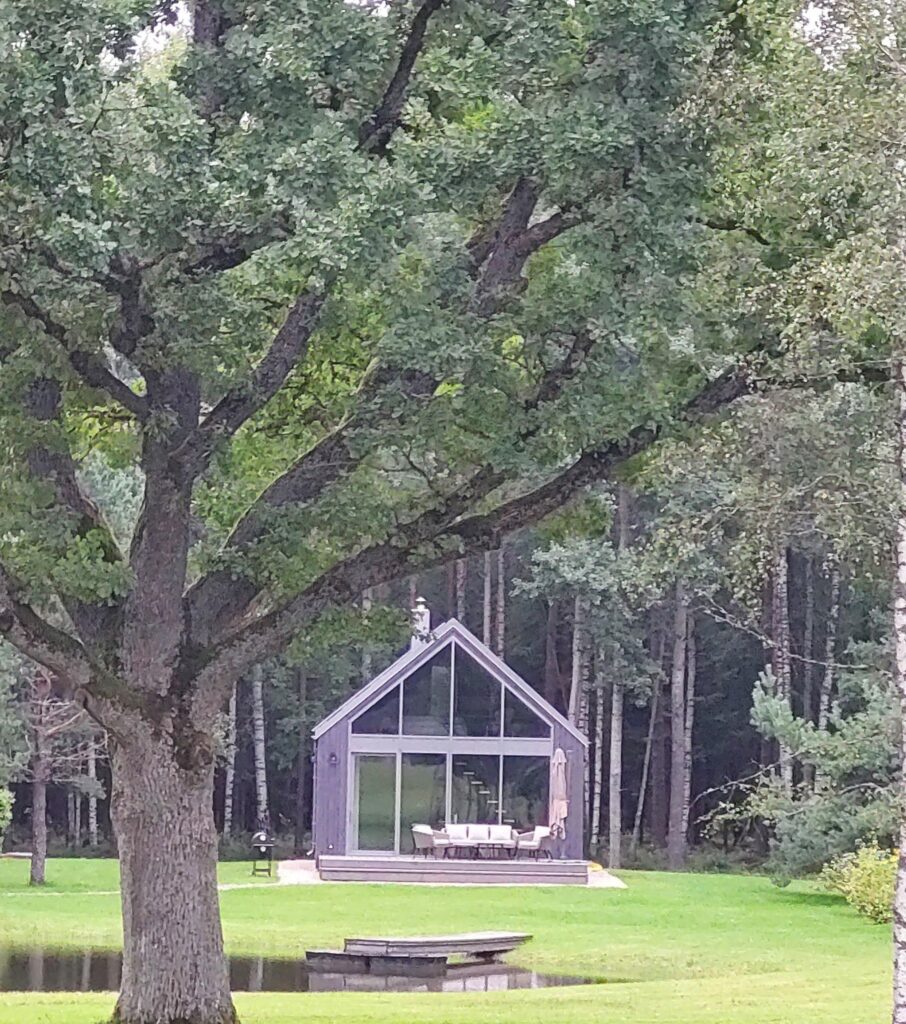
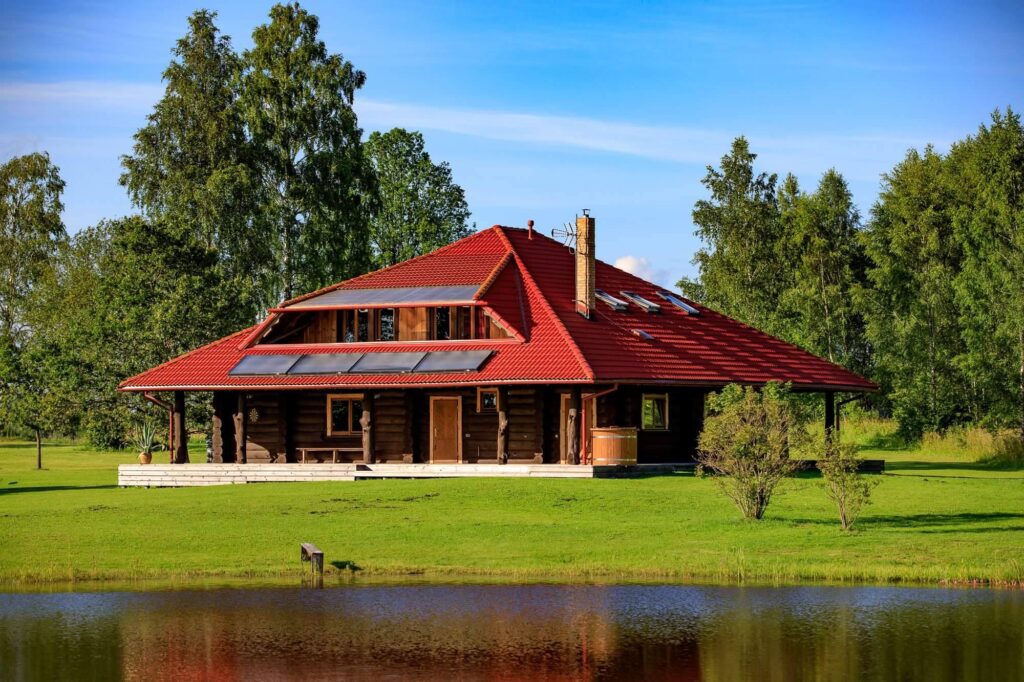
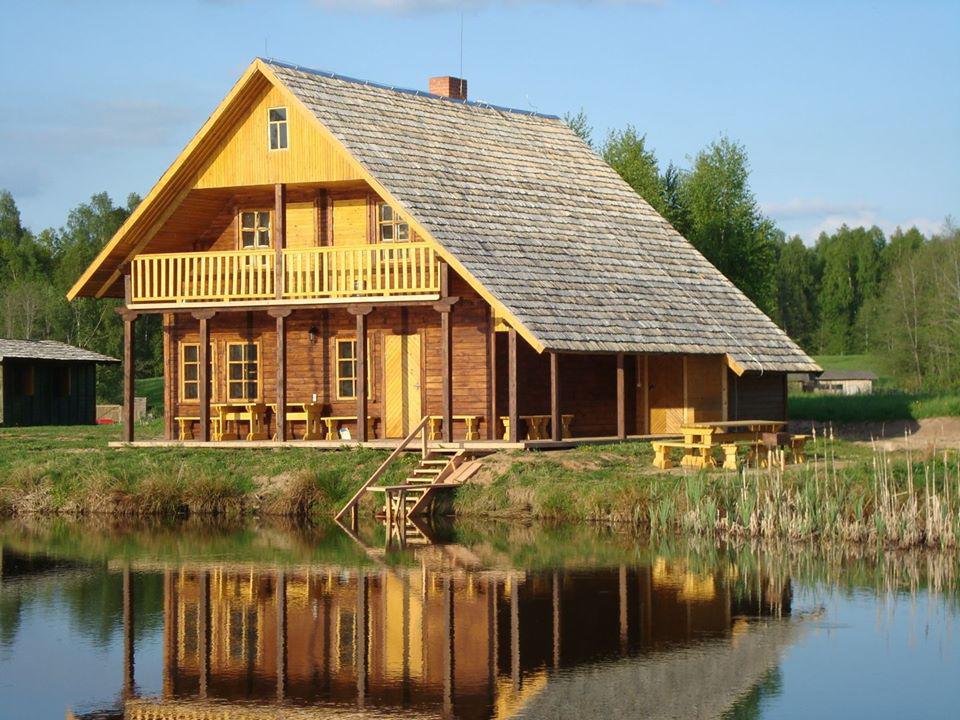
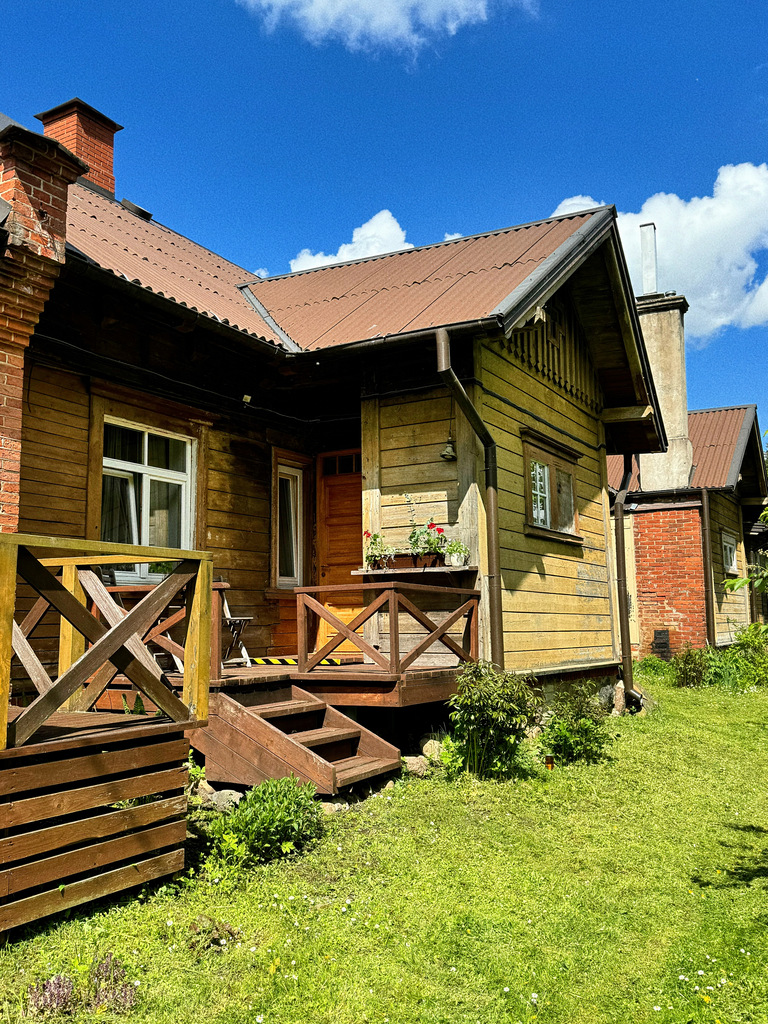
The holiday home “Mākoņi” is located in a scenically beautiful area within Gauja National Park, near the towns of Sigulda and Līgatne. It was designed and furnished as a summer residence by architect Andris Purviņš. He was born in “Gančauskas,” in Cēsis municipality, and grew up in “Plostnieki” in Sigulda municipality—just a few kilometers from the site of “Mākoņi.”
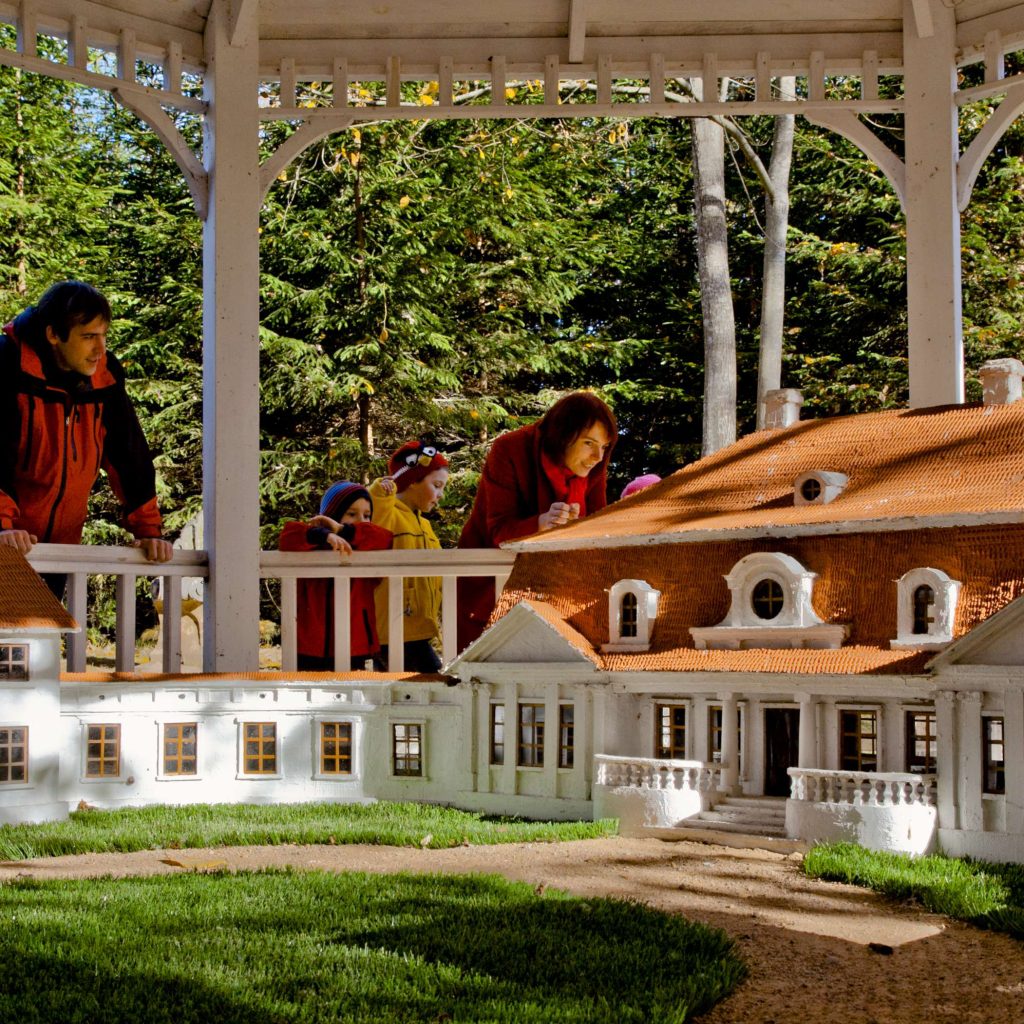
In the 1990s, after reclaiming his ancestral land, Andris, together with his wife Zaiga, began building their home, carefully cultivating the surrounding landscape and garden. The idea for the house was inspired by an old granary that now stands in Latvia’s Open-Air Museum. The construction of the home coincided with a prolific period in the architect’s career when he created “Krasta Lido,” once the largest log building in Europe.
Accommodation & Amenities
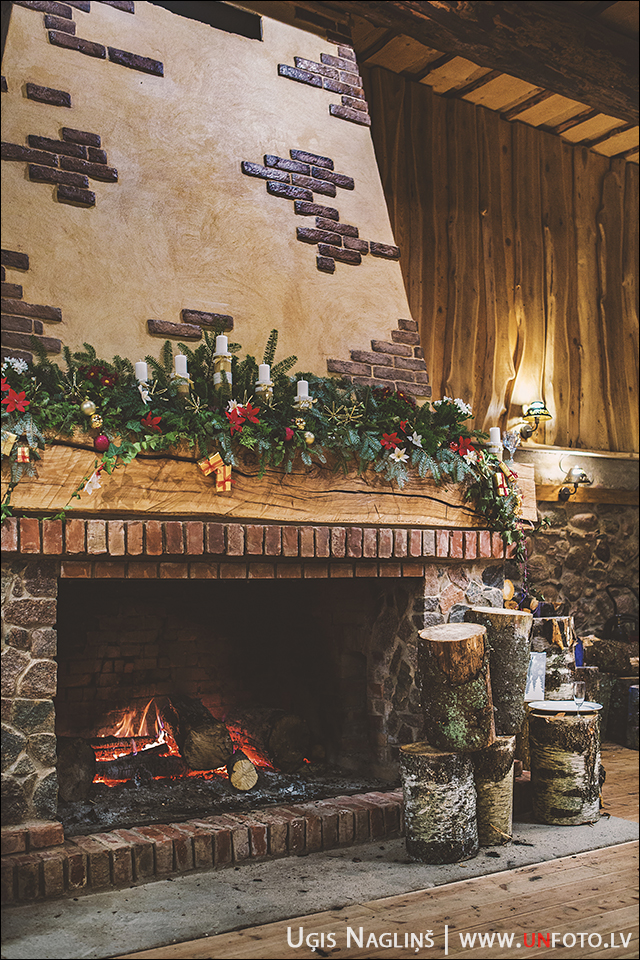
- The holiday home features an open-plan studio layout and can host up to 5 guests
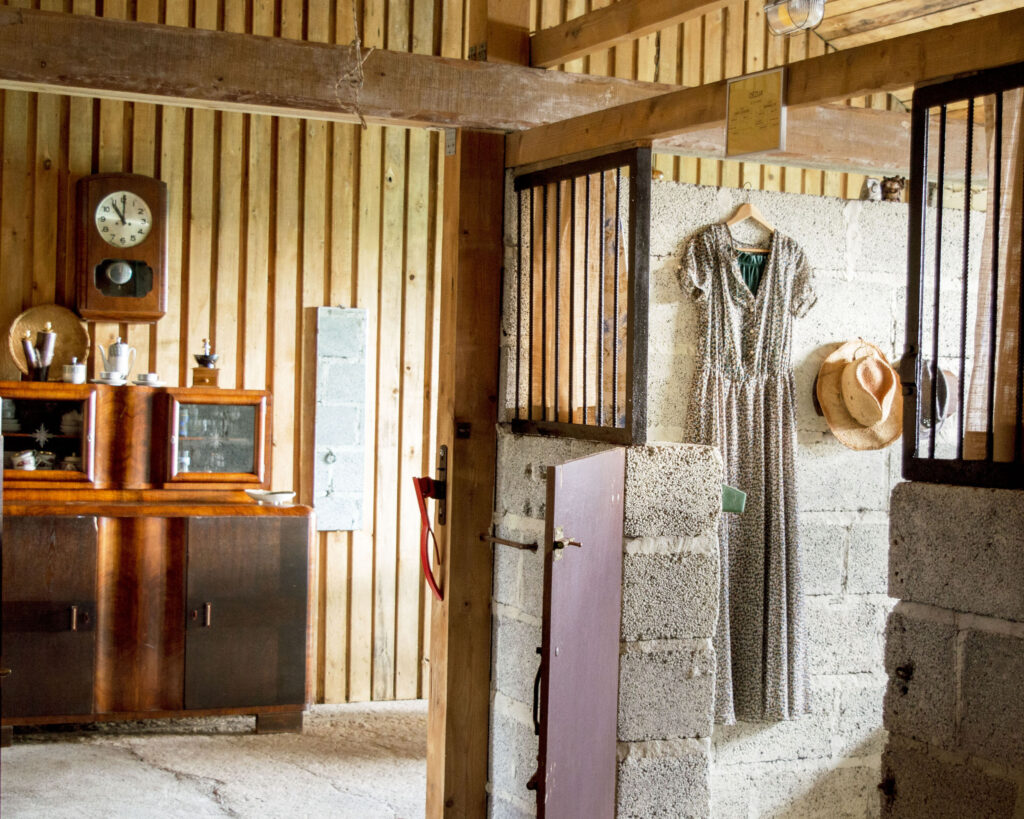
- A barn, suitable only for summer stays, offers space for up to 3 additional guests
- Amenities include a mini kitchen with necessary dishes, a refrigerator, induction cooktop, WC, and shower
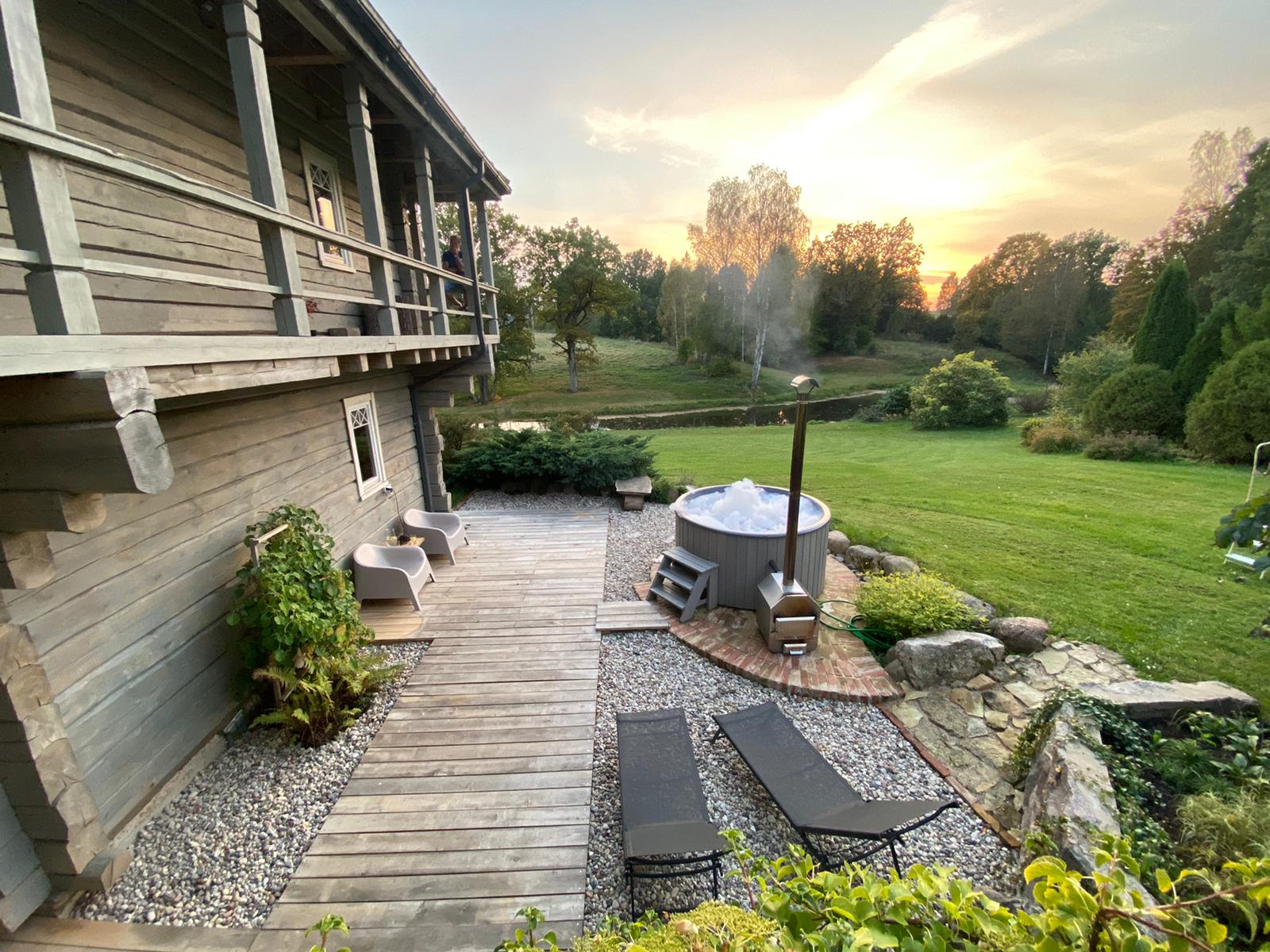
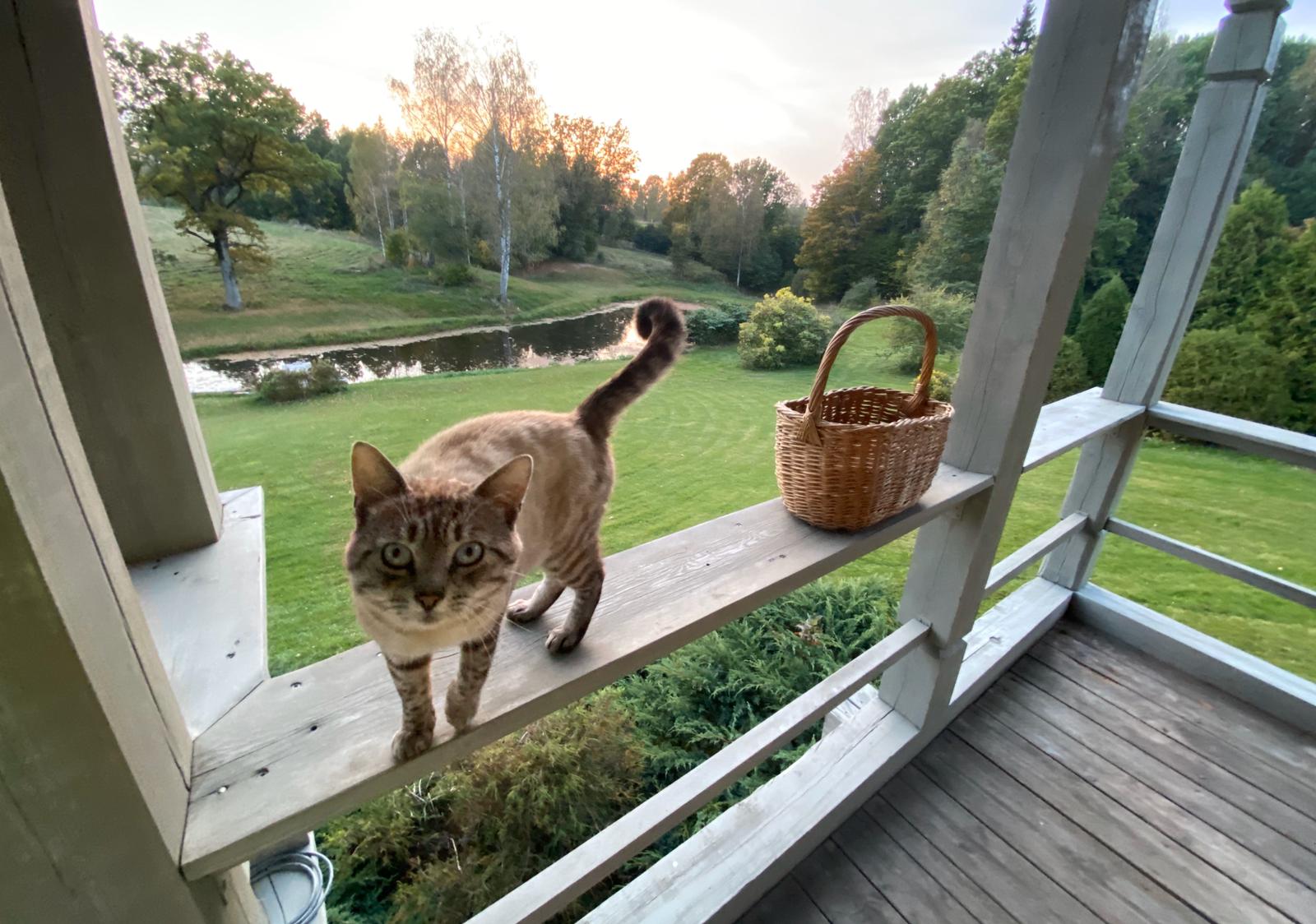
- Outside, guests can enjoy a hot tub with a stunning view of a nearby pond
- The area also features a rural clay sauna — an earth-house style bath — where, during the summer season, visitors can enjoy a full heat session, cover themselves with clay, and then cool off with a refreshing dip in the pond.
About the Architect – Andris Purviņš (1940–2010)
A renowned Latvian architect, Purviņš authored numerous public and private buildings. His well-known works include:
- Riga East Clinical University Hospital (Gaiļezers Hospital), Hipokrāta Street 2
- The Latvian Television headquarters in Zaķusala
- LIDO Leisure Centre on Krasta Street 76
He was born in 1940 in “Gančauskas,” Cēsis region, and became a member of the Latvian Union of Architects in 1969. He led the architectural firm “Jonika.” In 2000, his design for the LIDO complex earned a diploma from the Latvian Builders Association for Best New Building of 1999. In 2008, he received the Jānis Frīdrihs Baumanis Prize in Architecture for Lifetime Achievement. He passed away in 2010.