Kaķukrogs
The Kaķukrogs building, located in Vaive Parish, Cēsis Municipality, was first mentioned in the first half of the 19th century and is associated with roadside inn and postal station complexes. At that time it was called “Kaķa krogs” or “Kakit krog.” The central inn section and the two stables at its ends (shelters for horses and carriages) were combined into a single structure. At both ends were stable gables topped with triangular pediments and carriage gates, while in the centre there was a recessed porch supported by four brick columns, with a small pediment above it. Buildings of this type can also be found at the nearby Vāvere Inn and elsewhere in Latvia.
In 1904, the Vaive Social Society was founded at Kaķukrogs. The former inn complex was reconstructed, and on 30 October 1927, with the blessing of Pastor Apkalns, the Vaive Parish Community House was opened. Over the years, the spacious premises have housed a parish council, a dairy collection point, a shop, a café, a post office and a telephone exchange.
Today, the building’s name – Kaķukrogs – is a reminder of its historic past. Over time, the layout and use of the premises have changed repeatedly, yet the old Kaķukrogs has always served as an important social centre. Since 2017, after renovation funded by Leader projects, the bright and modernised premises have housed the Vaive Crafts House. A private woodworking company has also set up its workshop here. The Vaive Community House remains active, providing rehearsal space for amateur arts groups and hosting events.
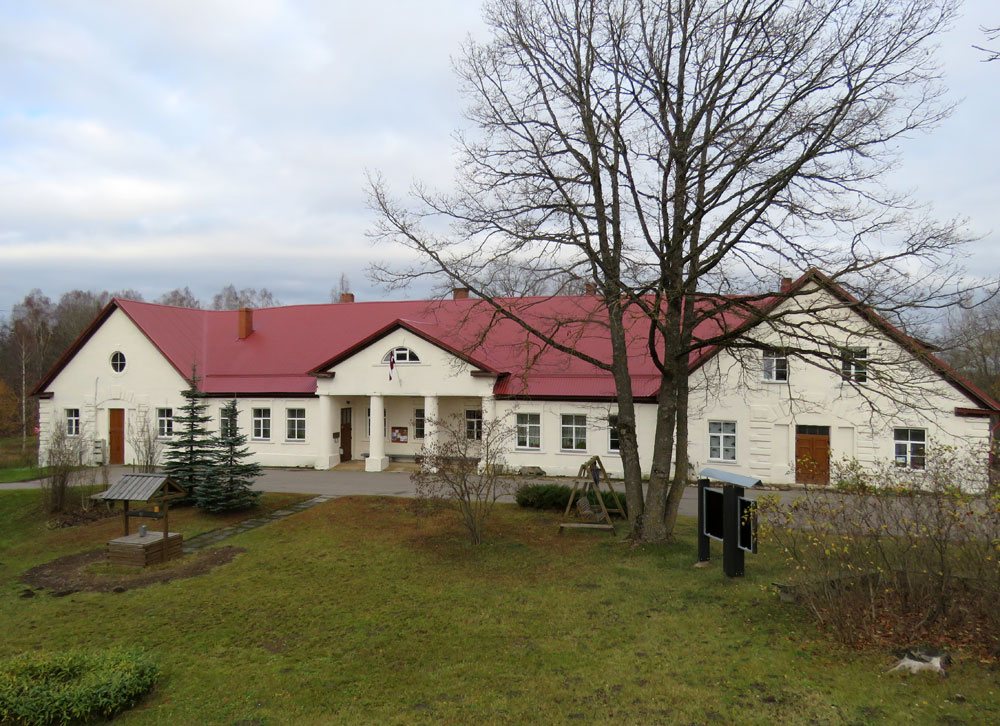
Both in the past and today, just like in the fairy tale of the old man’s mitten, the Kaķukrogs roof shelters many different functions. Two rooms have been given to the Latvian Red Cross. Following the principle “one person’s surplus is another person’s joy,” a household goods exchange operates in the building, visited by both locals and people from further afield.
At the centre of the building is a fireplace hall where works by local artists are regularly displayed. The space is also popularly known as the “Gypsy Hall.” According to legend, the inn’s other rooms once barred the entry of the Roma, so the room in which they gathered earned this nickname.
Kaķukrogs and its grounds are managed by Cēsis Municipality.
Vaive Parish
Vaive Parish was formed from the lands of seven former manors: Veismaņi Manor, Zeklermuiža (Zettler Manor), Rucka Manor, Cēsis Castle Manor, Cēsis Pastor’s Manor, Priekuļi Manor and Rāmuļi Manor.
From the 1760s until 1925, this territory was known as Veismaņi Parish, as these lands belonged to the Veismaņi Manor landlord, Baron von Blakenhagen.
In April 1925, the Cēsis County Council decided to rename Veismaņi Parish as Balti Parish (perhaps because at the time several lime kilns in the area often shrouded it in white smoke and dust).
However, the parish council did not agree to this name and decided that, if a change was necessary, the parish should be named Vaive Parish, in honour of the Vaive River. This river, fed by seven smaller streams – Dakšupīte, Dzeņupīte, Rīdzeni, Kaķupīte, Krievupīte, Pelnupīte and Veismaņi River – becomes a substantial watercourse with two watermills built within the parish territory.
Like Riga, which is said to never be finished, Vaive Parish has never stood still; as time and regimes changed, so too did the parish undergo numerous reforms:
- Until 1925 – Veismaņi Parish
- 1925–1944 – Vaive Parish
- 3 October 1944 – Vaive Parish Executive Committee
- 27 March 1945 – Vaive Village Council
- 25 April 1945 – the village council was replaced by two rural councils: (1) Vaive Rural Council with its “seat” at Kaķukrogs; (2) Rīdzene Rural Council with its seat at the “Jaunlejas Pauči” farmstead.
- 1 July 1945 – Vaive and Rīdzene village councils established.
- 8 October 1945 – Vaive Parish Working People’s Deputies Executive Committee created.
- 1949 – Vaive and Rāmuļi parishes abolished; Vaive and Rāmuļi villages formed.
- 1950 – Counties abolished; districts created.
- 1960 – Vaive village territory annexed to Priekuļi village.
- 1976 – Vaive village re-established and merged with Rāmuļi village territory.
- 1977 – part of Priekuļi village territory added to Vaive village.
- 1987 – part of Skujene village territory also added.
- 1990 – Vaive village abolished and Vaive Parish restored.
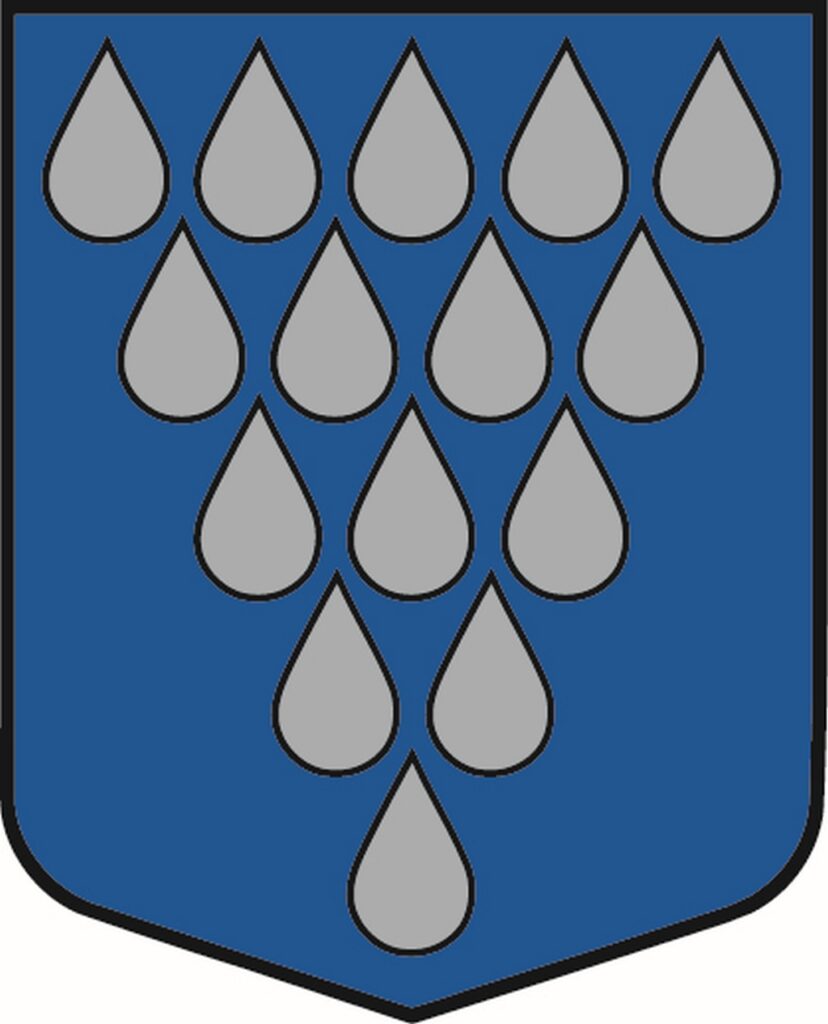
- 2008 – Vaive Parish coat of arms created and approved.
- 1 July 2009 – regional reform merged Vaive Parish with the town of Cēsis into one municipality – Cēsis Municipality.